Tiny Homesteads: How Texans Embrace Rural Self-Sufficiency

Texans are embracing tiny homesteads as affordable paths to self-sufficiency, with entry-level rural land parcels sometimes listed for under $10,000 in less-developed areas.
You'll find young farmers utilizing biointensive gardening, renewable energy, and smart technology to maximize limited acreage. The state's generous homestead exemptions provide tax advantages while long growing seasons in many regions support diverse crop production for much of the year.
Community networks help overcome rural isolation through coworking spaces and digital mentorship programs. These small-scale solutions offer big returns for those seeking independence in the Lone Star State.
The Rise of Micro-Farming in Rural Texas
While urban centers across America struggle with population density, rural Texas has quietly witnessed a remarkable transformation through micro-farming. Instead of a precise 15% surge, recent agricultural census data show that the number of new and beginning farmers in Texas has increased even as the total number of farms has declined, with more younger producers entering agriculture alongside older operators.Many of these newcomers are seeking self-sufficient lifestyles away from cities.
These micro-farmers excel at diversified crop production, cultivating vegetables, herbs, and small livestock on limited acreage. They're maximizing productivity through sustainable practices and technological innovations like soil sensors and irrigation management. These innovations mirror the larger agricultural sector's implementation of data-driven solutions for precision farming and resource optimization.
Microfarm land acquisition remains viable despite rising rural property prices, with average Texas rural land values improving about 4.6% year-over-year through 2Q 2025. Though higher interest rates have slowed market activity, smaller tract sizes continue to provide entry points for newcomers committed to local food production and community-supported agriculture models.
Economic Benefits of Small-Scale Homesteading
Though many Texans initially pursue homesteading for lifestyle benefits, the economic advantages often prove equally compelling. When you invest in Texas rural land, you're not just buying property—you're engaging in intergenerational wealth planning that can appreciate as population growth and land demand continue.
You'll find immediate financial relief through Texas's homestead exemptions, which can save you hundreds—and in some cases thousands—of dollars annually on property taxes, especially after recent increases to school homestead exemption amounts.
With modest startup budgets in the low five figures for small farms, you can establish diversified revenue streams through vegetables, livestock, and direct-to-consumer sales. The favorable climate in many parts of Texas supports extended or multi-season growing, maximizing your agricultural productivity and income potential over much of the year.
Owner financing options from rural land companies and individual sellers can make land acquisition accessible without traditional bank qualifications, while agricultural valuation and special-use tax rates can further reduce your carrying costs where eligibility criteria are met
Perhaps most valuable is the financial security Texas homestead laws provide—offering substantial protection for primary residences against many unsecured creditors and creating stability for your family's future, subject to exceptions such as mortgages and property taxes.
Sustainable Living Practices on Limited Acreage
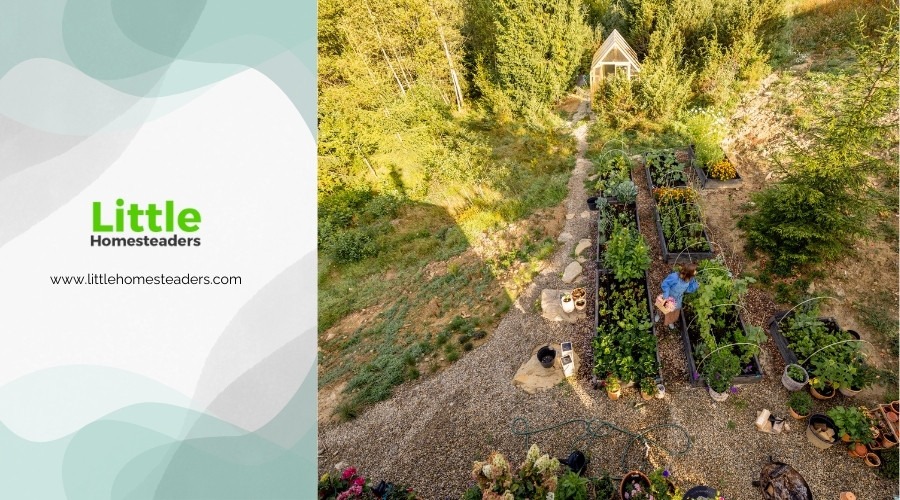
Dozens of Texas homesteaders prove daily that significant self-sufficiency doesn't require vast acreage. By implementing biointensive gardening techniques like companion planting and crop rotation, you'll maximize production while naturally improving soil health on small plots.
Your limited space becomes more productive when you practice organic pest control through strategic plant pairings rather than chemical solutions. Select crops suited to your specific Texas climate zone—whether hot-humid, hot-arid, or temperate—to support resilience and higher yields.
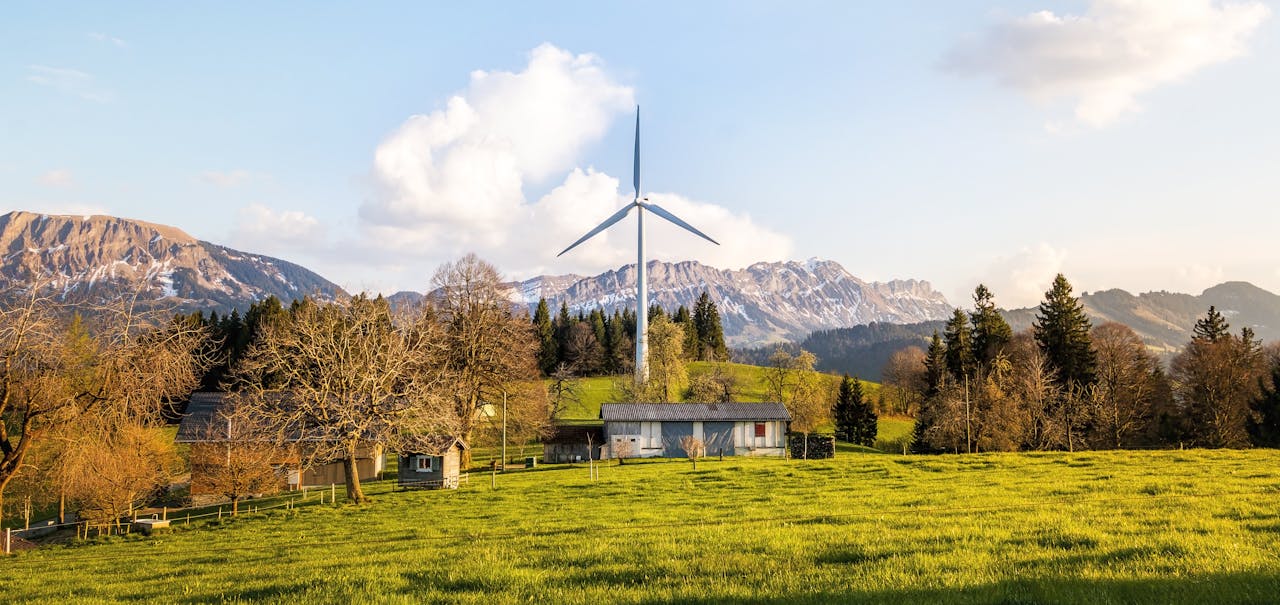
Water conservation is critical; install drip irrigation and harvest rainwater to maintain productivity during dry spells. Consider no-till methods and cover cropping to protect your soil's long-term fertility. Incorporating multiple renewable sources for energy needs—such as small solar arrays with battery storage—can further reduce your ecological footprint while promoting self-sufficiency.
Remember, sustainable homesteading isn't about the land's size but rather how intelligently you manage your resources.
Building Community Networks Among New Rural Residents
The foundation of thriving rural life extends beyond self-sufficiency to include robust community connections. As a new rural Texan, you'll face both challenges and opportunities in building your social network. With only about 69% of Texans in rural areas having access to broadband-level internet, establishing digital connections might initially seem difficult.
You can overcome this divide through emerging digital mentorship programs that pair tech-savvy newcomers with established residents. These initiatives help integrate diverse skills while expanding broadband access. Electric cooperatives and rural broadband associations across Texas are taking the lead in pushing fiber and fixed wireless service into underserved communities, echoing their historic role in rural electrification in the 1930s.
Meanwhile, rural coworking spaces are transforming underutilized buildings into community hubs where you can collaborate with neighbors and remote workers. Transportation remains pivotal for face-to-face gatherings, with improved highway systems facilitating easier travel between communities.
By leveraging both physical and digital infrastructure, you'll create meaningful relationships that enhance your homesteading journey and strengthen rural Texas.
Technology Adoption in Modern Tiny Homesteads
Modern tiny homesteads blend timeless self-sufficiency with cutting-edge innovations, transforming how rural Texans live off the land. You'll find smart home integration revolutionizing these compact spaces—voice-controlled systems operate lighting and appliances while maximizing energy efficiency.
For mobile tiny homes, home security innovations have become essential as theft concerns rise. Wheel locks, GPS tracking, and cellular-connected alarms provide peace of mind whether you're home or away.
Technology extends beyond convenience to necessity—reliable internet enables remote work opportunities, digital marketplaces for your homestead products, and community building among dispersed residents. Cost remains a primary barrier to home internet adoption for many rural tiny homestead owners in Texas, especially in areas still lacking robust broadband infrastructure.
Your off-grid lifestyle is supported by practical technologies: solar panels with battery storage, water purification systems, and composting toilets reduce your environmental footprint while maintaining modern comforts in even the most remote Texas locations.
Overcoming Challenges: Water Conservation and Land Management
Facing persistent drought conditions across the state, Texas tiny homesteaders confront water scarcity as their most formidable challenge. You'll need to implement drought resilience strategies that maximize every drop while minimizing environmental impact.
Successful water conservation on your homestead requires three key approaches:
- Install rainwater harvesting systems to capture runoff, reducing dependence on groundwater and providing long-term savings on water bills as prices and restrictions rise.
- Adopt drought-tolerant plants and apply mulch to reduce evaporation, preserving soil moisture even during extreme heat.
- Calculate crop water demands and invest in water infrastructure upgrades like efficient irrigation systems that meet TCEQ and local standards.
These practices not only lower your water bills but also strengthen your homestead's resilience during Texas's unpredictable rainfall patterns. The One Water approach offers homesteaders additional opportunities to improve water management by considering impacts on both upstream and downstream waterways and integrating conservation, reuse, and stormwater strategies into a single plan.
Related posts