Creating a Seasonal Homesteading Calendar for Kids and Parents
A seasonal homesteading calendar isn’t just about keeping track of chores—it’s about creating rhythm. For families, especially those with children, homesteading works best when it follows a predictable flow tied to the seasons. When kids know what comes next—planting in spring, harvesting in summer, preserving in fall, and slowing down in winter—they begin to understand not just tasks, but cycles.
Building that rhythm takes intention. Without structure, homesteading can quickly feel overwhelming, especially when balancing animals, gardens, and family life. A well-planned calendar turns that complexity into something manageable. It breaks big goals into small, repeatable actions that everyone in the household can participate in.
How to Build a Homestead Calendar Your Whole Family Can Follow
Planning a homestead calendar your whole family can actually follow starts with setting aside dedicated time before the year begins. Review your previous year's garden journal, note what worked, and adjust accordingly. Then gather your family to discuss goals—homestead, financial, and personal—and break them down month by month.
Family routines become easier to maintain when everyone sees the plan. Post your calendar in a visible spot like the kitchen or mudroom so nothing gets missed. Choose a format that fits your lifestyle, whether that's a wall calendar, notebook, or a shared app like Google Calendar or Trello.
Task delegation is key to keeping things running smoothly. Assign specific responsibilities by person, rotate weekly chores, and include kids in age-appropriate jobs. When everyone owns a role, the whole system works. In January, use this dedicated planning time to organize seeds, test viability, and order anything you're running low on before the growing season begins.

What to Plan Each Season on the Homestead With Kids
Homesteading naturally follows seasonal rhythms, and aligning tasks with those rhythms makes the work more intuitive. Each season brings its own priorities, creating a predictable cycle that children can learn and anticipate.
- Spring is a time of preparation and growth. Seeds are started, garden beds are built, and animals require increased attention as activity rises. This is often the most hands-on and energetic season, making it ideal for involving children in planting and early care routines.
- Summer shifts toward maintenance and harvesting. Gardens need consistent watering, produce must be collected, and animals require daily monitoring. The workload increases, but so does the reward, as children see the direct results of earlier effort.
- Fall introduces preservation. Harvested food is canned, dried, or stored, while preparations begin for colder months. This season teaches long-term thinking—planning not just for today, but for what comes next.
- Winter slows everything down. With less outdoor work, families can focus on indoor skills such as crafting, repairing tools, and learning. This period of rest reinforces the importance of pacing and balance within the homesteading cycle.
Explore how to build your own homesteading calendar to stay consistent with your routine.
Homestead Tasks Your Kids Can Actually Do at Every Age
Getting kids involved in homestead chores isn't about perfection—it's about matching tasks to their age and ability so they can genuinely contribute. With safe supervision, even toddlers aged 2–4 can sprinkle scratch grain, pull a few weeds, or try milking a goat.
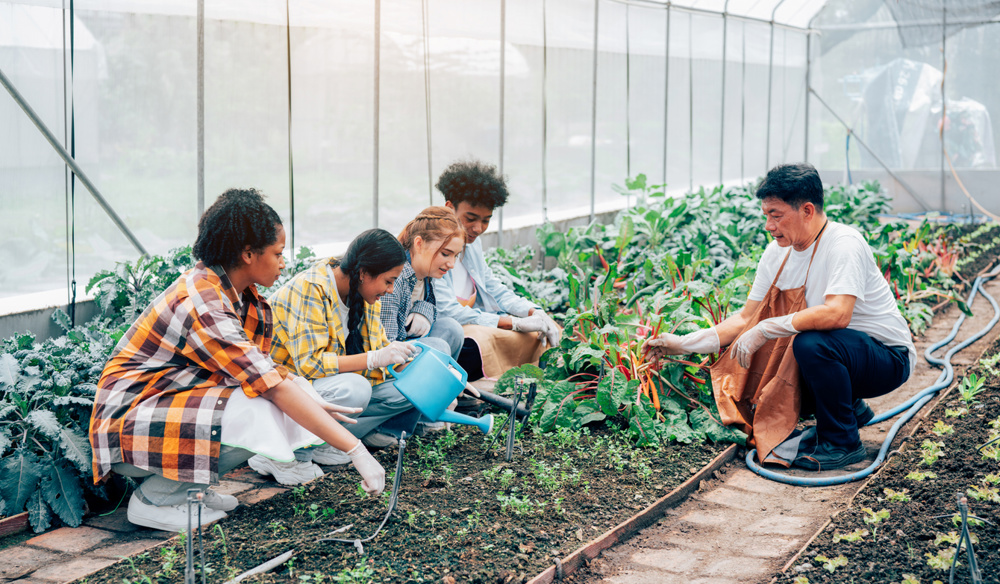
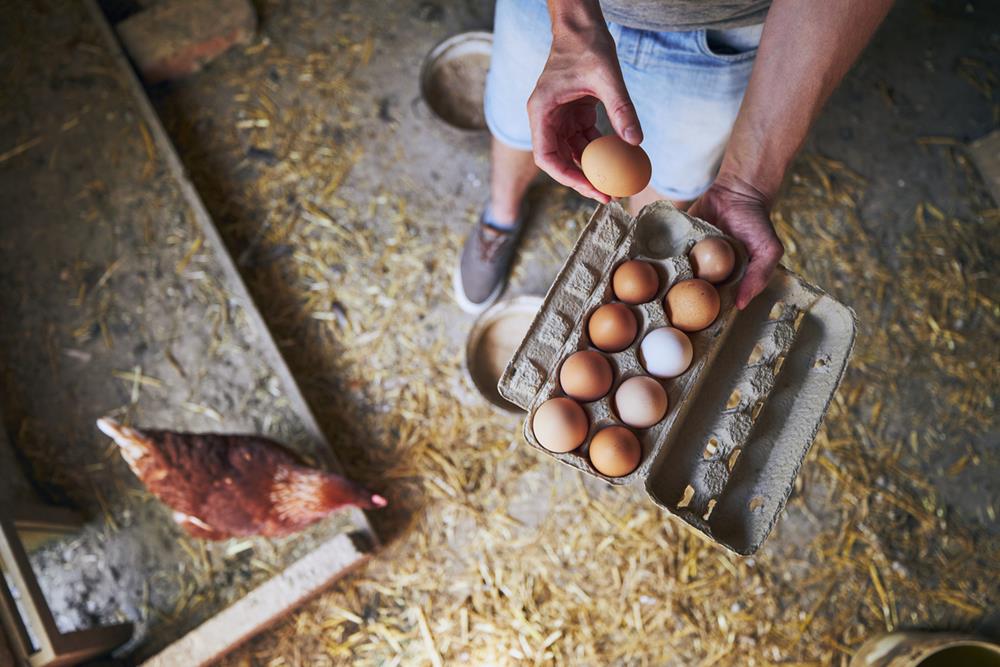
Ages 5–7 can water plants, collect eggs, and harvest produce independently. By 8–10, they're checking fences, stacking firewood, and weeding garden beds. Ages 11–13 take on feeding horses, grooming animals, and managing compost. At 14 and older, they step into a farm manager role—overseeing younger siblings, building projects, and assisting with larger livestock.
Older teens are also fully capable of performing heavier maintenance tasks like tightening field fences and installing t-posts. This skill progression builds genuine competence and confidence at every stage, turning your kids into real contributors rather than just helpers tagging along.
Daily Homestead Rhythms That Keep Everyone on Track
Once your kids know what they're capable of, the next step is weaving those contributions into a daily rhythm that actually sticks.
A solid morning checklist sets the tone — feed animals, check water, break ice if needed, and observe behavior before breakfast. Bedtime routines close the loop with evening animal checks and laying out tomorrow's supplies. Structure your day in three chunks:
- Morning: Animal care, feeding, and health checks before the household wakes up fully
- Afternoon: Garden watering, compost checks, and assigned kid chores under 30 minutes
- Evening: Final animal rounds, planning tomorrow's priorities, and resetting shared spaces
Assign tasks based on family strengths, rotate weekly jobs like coop cleaning, and adjust seasonally. Consistent rhythms reduce decision fatigue and keep everyone moving together. Setting out tools and supplies the evening before means less morning scrambling and more time focused on what actually needs to get done.
Balancing Homesteading With Family Life
Homesteading can easily take over a household if clear boundaries are not set. The constant nature of chores—feeding animals, tending gardens, maintaining equipment—can make it feel like there is always more to do. For families, especially those with children, balancing productivity with time together is essential to keeping the lifestyle sustainable.
Not every task needs to be completed immediately, and not every day needs to be maximized. Prioritizing what truly matters helps prevent burnout. Setting aside time for shared meals, rest days, and unstructured activities allows the household to recharge, making the work feel manageable rather than overwhelming. These pauses are not interruptions—they are part of maintaining long-term consistency.
When homesteading is integrated into family life instead of dominating it, it becomes more meaningful. Chores turn into shared experiences, and routines create opportunities for connection rather than stress. This balance ensures that the homestead supports the family, rather than the family constantly trying to keep up with the homestead.
The Best Tools for Organizing Your Homesteading Calendar
Keeping a homestead running smoothly means nothing if your planning system falls apart under the weight of daily chaos. Choose tools that actually match how you and your family work. If you prefer a paper planner, spiral-bound options like the 2026 dated homestead planner offer 298 pages with monthly, weekly, and daily spreads, chore pages, and livestock tracking. Everything stays in one place.
For digital organization, task apps like FarmKeep let you assign chores to family members, schedule recurring tasks, and visualize planting timelines through calendar, list, or kanban views. Garden Time Planner adds region-specific sowing and harvest reminders.
You don't need the fanciest system—you need one you'll actually use. Whether that's a highlighter and a notebook or a full farm management app, consistency beats complexity every time. For hands-on repairs that come up throughout the seasons, IFIXIT's repair manual provides thousands of step-by-step guides with images to help you handle homestead fixes yourself.
Teaching Responsibility Through Routine
One of the most valuable aspects of a homesteading calendar is its role in teaching responsibility. When tasks are repeated consistently, they shift from being reminders into natural parts of the day. Feeding animals, watering plants, or checking supplies becomes expected rather than optional, helping children internalize the rhythm of care and upkeep.
This structure makes responsibility tangible. When a chore is missed, the impact is immediate and visible—plants wilt, animals become restless, or tasks pile up for the next day. Unlike abstract lessons, these outcomes are easy to understand. Children begin to see the connection between effort and result, reinforcing accountability through real experience rather than instruction alone.
Over time, these routines build confidence. As children master small tasks and take on more responsibility, they develop a sense of ownership over their work. This progression not only strengthens practical skills but also builds independence, showing them that they are capable of contributing meaningfully to something larger than themselves.
Adapting Your Calendar as Your Homestead Grows
No homestead remains static. As gardens expand, animals are added, or family schedules shift, the calendar must evolve to reflect new demands. What once worked for a smaller system may become inefficient or overwhelming as responsibilities increase.
Regular adjustments help maintain balance. Tasks can be redistributed, simplified, or reorganized to better fit current conditions. Seasonal changes, weather disruptions, and unexpected challenges all require flexibility, making it important to treat the calendar as a working tool rather than a fixed plan.
This adaptability is what keeps the system sustainable. By revisiting and refining the calendar throughout the year, families can respond to growth without losing structure. The goal is not perfection, but responsiveness—ensuring that as the homestead develops, the system supporting it develops as well.
Conclusion
A seasonal homesteading calendar is more than a planning tool—it is a framework for living. It transforms scattered tasks into a structured rhythm that families can follow together, creating consistency and shared purpose. For children, it provides more than chores. For parents, it brings clarity and organization to an otherwise complex system.
Over time, the calendar becomes less about scheduling and more about habit. It shapes how work is approached, how time is used, and how the family functions as a whole. In that sense, it is not just a tool for managing a homestead—it is a way of building one.