Homesteading in Pop Culture: From Trend to Lifestyle
Homesteading has moved well beyond a fleeting social media trend. What began as a stream of cottagecore imagery—linen dresses, sourdough starters, and sunlit gardens—has evolved into a broader cultural shift. It changed how younger generations think about food, labor, and self-sufficiency. Across TikTok, Instagram, and YouTube, the aesthetic of rural life has been reframed as both desirable and attainable.
Yet beneath the imagery lies something more structural. Rising gardening participation, increased rural migration among millennials, and growing demand for small-scale livestock. This suggests that homesteading is no longer confined to digital performance. It has become a lifestyle grounded in values—sustainability, autonomy, and resistance to industrial systems.
How Homesteading Became a Cultural Moment
Homesteading’s roots are not aesthetic—they are political. In the 19th century, movements advocating land access framed self-sufficiency as both economic independence and democratic participation. The Homestead Act of 1862 formalized this vision, offering land to individuals willing to cultivate it.
Over time, this material reality became a cultural narrative. Writers like Laura Ingalls Wilder and later Helen and Scott Nearing transformed rural labor into philosophy, emphasizing simplicity, autonomy, and a rejection of industrial life. These ideas resurfaced during the 1960s Back-to-the-Land Movement, where homesteading became associated with environmental consciousness and countercultural identity.
The modern iteration retains these foundations but reframes them through media. Urban homesteading, balcony gardening, and small-scale food production represent not a return to the past, but an adaptation of its ideals. The movement persists because it evolves—shifting from survival to choice, from necessity to identity.
How Cottagecore and Trad Wife Aesthetics Shaped the Homesteading Trend
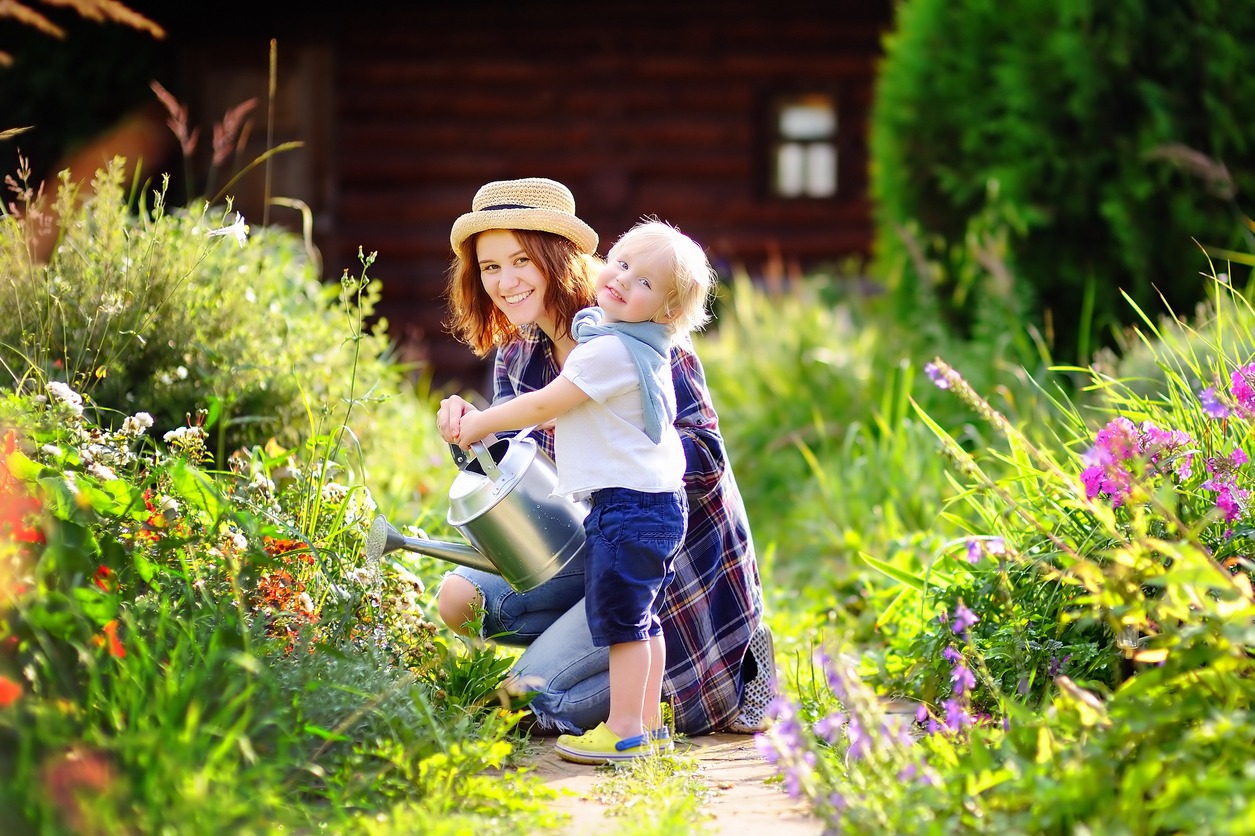
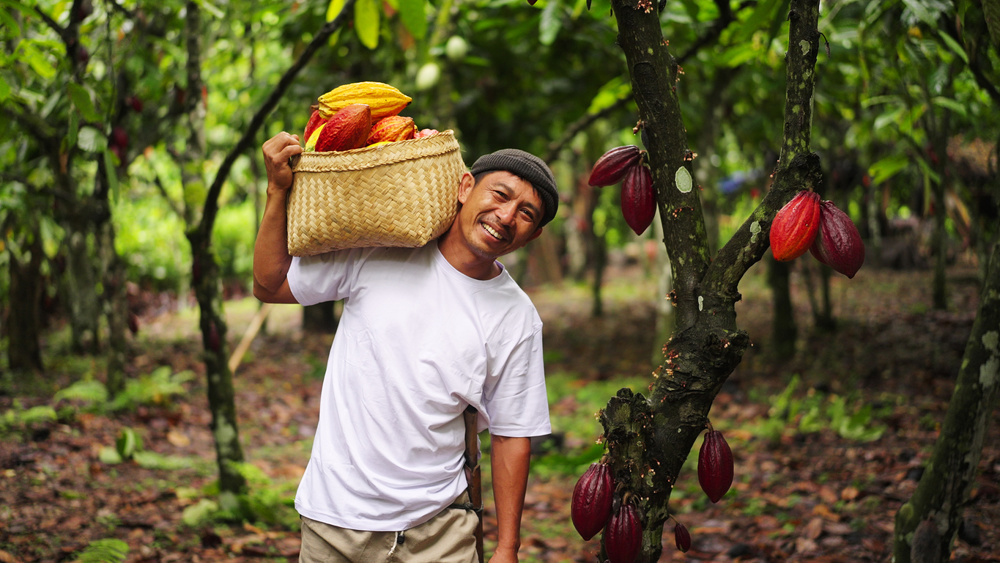
When the pandemic hit in 2020, millions of people stuck at home didn't turn to homesteading manuals. They turned to TikTok and Instagram, where cottagecore and trad wife aesthetics were already blooming. Both movements reframed domestic labor as aspirational, pulling you toward a slower, handmade life rooted in aesthetic politics.
These visuals shaped what homesteading looked like to a new generation:
- Sun-dappled gardens and cozy cottages replaced corporate office backdrops
- Sourdough baking and herb gardens became symbols of self-reliance
- Vintage florals and wicker baskets signaled rejection of mass production
- Foraging and chicken-tending shifted from necessity to lifestyle identity
What started as curated imagery gradually pushed real people toward actual rural practices, turning scrollable fantasy into livable philosophy. Yet critics warn that this pastoral ideal is rooted in Eurocentric colonial myths that erase the histories of stolen lands and marginalized peoples, demanding a more honest reckoning alongside the romance.
The Social Media Platforms Fueling the Homesteading Movement
Social media has been central to transforming homesteading into a mainstream cultural phenomenon. Each platform contributes differently: TikTok prioritizes immediacy and personality, YouTube emphasizes instruction and narrative depth, and Instagram curates aspirational imagery.
This ecosystem creates a feedback loop. Content that performs well visually—lush gardens, successful harvests, aesthetically pleasing routines—becomes more visible, reinforcing a particular version of homesteading. Less photogenic aspects, such as failure, exhaustion, or loss, remain underrepresented.
At the same time, these platforms enable knowledge sharing. Tutorials on food preservation, animal care, and gardening techniques allow beginners to engage with the lifestyle more directly. The result is a hybrid space where performance and practice coexist, shaping both perception and participation.
The Influencers and Media Shaping the Homesteading Narrative
Beyond platforms themselves, individual creators have played a significant role in defining homesteading’s modern image. YouTube channels documenting off-grid living, TikTok creators sharing daily farm routines, and Instagram accounts focused on aesthetic rural life have collectively built a recognizable visual and narrative framework.
These creators function as both educators and performers. Their content blends instruction with storytelling, often presenting homesteading as a coherent, manageable lifestyle. This dual role strengthens audience engagement but can also blur the line between documentation and curation.
In broader media, documentaries, lifestyle blogs, and even streaming content have reinforced this narrative. Homesteading is no longer niche—it is part of a larger cultural conversation about sustainability, independence, and alternative ways of living.
Check out MrPopCulture.com and learn more about pop culture trends in homesteading.
Why Millennials and Gen Z Are Leaving Cities for Rural Life
Something shifted during the pandemic that no algorithm or trend forecaster predicted: young people started leaving cities in droves, and many never came back. Cost driven migration and digital nomadism patterns reshaped where you live, work, and build your future. The numbers tell the story:
- Rural counties showing 25-44 age group growth jumped from 27% to 63% post-COVID
- 88% of movers relocated specifically to save money
- Remote work enabled permanent rural settlement, not just temporary escape
- 76% sought better outdoor lifestyle access
You're not just chasing affordability — you're chasing a life that cities stopped offering. With U.S. average home prices at $357,275 and Seattle hitting $832,857, the math practically makes the decision for you. Yet the broader migration picture is more nuanced — Gen Z remains least mobile, representing only 2.2% of all moves and gravitating strongly toward urban centers rather than rural escapes.
What the Homesteading Numbers Actually Show
Data provides a clearer picture of homesteading’s growth. Increased participation in gardening, higher spending on supplies, and shifts toward independent retailers all indicate sustained engagement. These trends are particularly strong among younger generations, suggesting long-term cultural change.
Investment patterns reinforce this. Increased spending reflects commitment rather than casual interest, while plans for expansion indicate future growth. These behaviors suggest that homesteading is becoming integrated into daily life rather than remaining symbolic.
The numbers reveal a structural shift. What appears as an aesthetic trend is supported by measurable change in behavior, consumption, and planning.
What Homesteaders Actually Grow, Raise, and Preserve
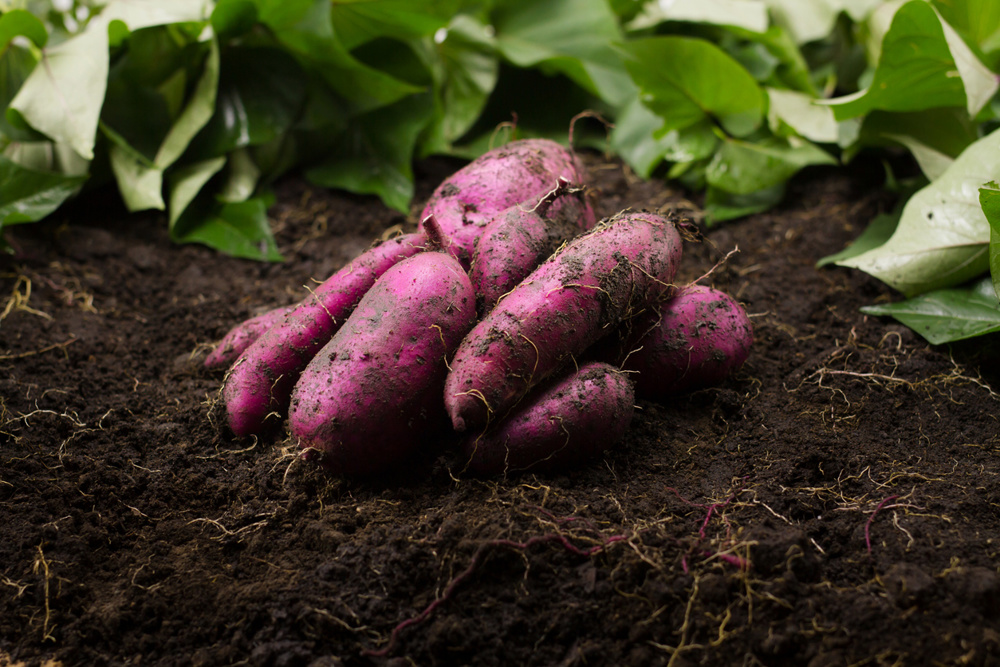
Homesteaders grow, raise, and preserve more than most people realize. From heirloom varieties of tomatoes and corn to dairy goats producing fresh milk, the scope covers your entire plate. A quarter-acre vegetable garden supplies all produce from June through November, while a 10x10 plot generates more than one household can eat.
Here's what a productive homestead typically involves:
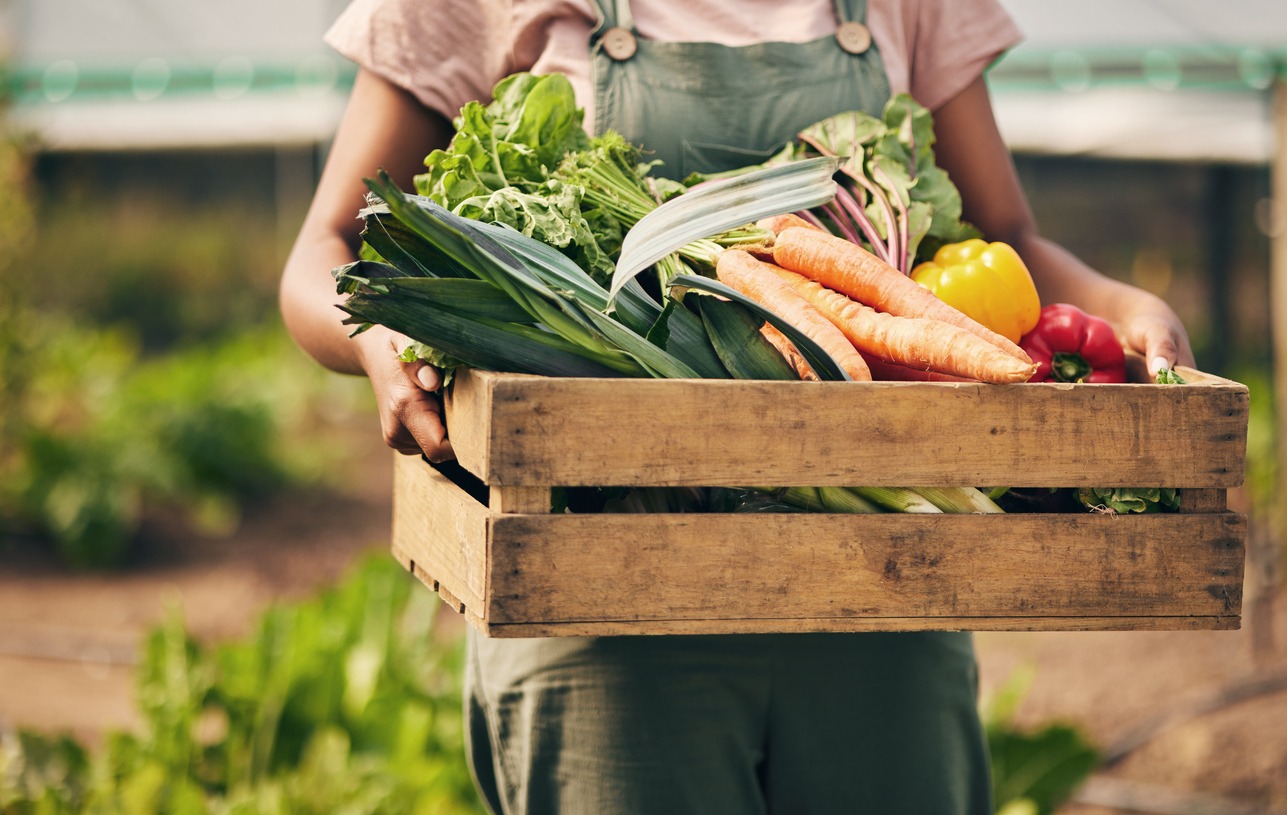
- Crops – vegetables, fruits, nuts, and cereals
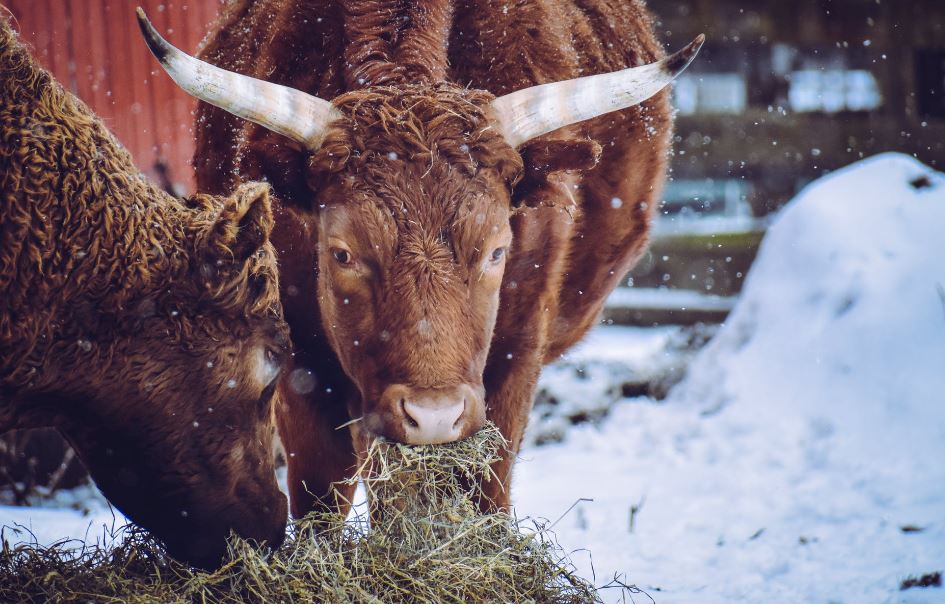
- Livestock – chickens, cattle, pigs, sheep, and dairy goats
- Preservation – fermentation techniques, root cellar storage, and canning
- Processing – soaps, home remedies, and value-added goods for farmer's markets
During peak seasons, you're sourcing roughly 80% of your daily meals directly from your land. The broader agricultural context behind these efforts is significant, as U.S. farm output in 2021 reached levels 190 percent above what was recorded in 1948.
Can You Homestead Without Land or Livestock?
Redefining what counts as a homestead opens the practice to anyone, regardless of property size. You don't need acres of land to grow food, raise animals, or reduce your dependence on commercial systems. Container gardening lets you cultivate fresh produce on a balcony or patio, while vertical planters maximize every square foot you've got.
Urban beekeeping and vermiculture give apartment dwellers legitimate livestock options without violating most zoning regulations. Beyond growing, you can preserve food through canning, fermenting, and drying, stretching your harvest across seasons. Rainwater harvesting and composting adapt easily to smaller spaces.
Community foraging, gleaning, and bartering networks extend your self-sufficiency further. Some communities have formalized this exchange, such as Riverbed Ranch in Utah, where members trade goods and services outside conventional commercial systems. Modern homesteading is fundamentally ideological — it's about sustainability and intentional living, not acreage. Your property size limits your methods, not your commitment.
The Gap Between Homesteading Fantasy and Lived Reality
Scaling down your setup or rethinking what livestock means can absolutely make homesteading accessible — but no amount of creative adaptation prepares you for how brutally the reality diverges from the dream. Social media skips the physical dangers and emotional burnout that define daily homestead life. Here's what you're actually signing up for:
- Animals kick, bite, and die — often expensively
- Butchery fails more than it succeeds without proper training
- Hard labor fills every single day, not just harvest season
- Most of your experience goes unblogged because failure isn't photogenic
The cottagecore aesthetic sells you a prairie dress; reality hands you broken equipment and exhausted resolve. Research into radical homemaking found that even the most skilled homesteaders sometimes reported despair and hopelessness when their mastery of skills lacked deeper purpose or community connection.
Why Some New Homesteaders Stay and Most Quit
The historical record doesn't lie: under the original Homestead Act, only 40–50% of claims ever proved up, meaning most people who tried simply walked away. The time commitment alone filtered out many — five to seven years of required residency exposed every skill mismatch between romanticized expectations and daily agricultural demands.
Today's pattern mirrors that reality. You might arrive motivated by distrust of modern food systems, but motivation doesn't fix fencing, manage livestock, or stretch a harvest. Those who stay tend to enter with transferable practical skills and realistic financial footing. Those who quit often underestimate how quickly enthusiasm erodes under physical and economic pressure.
Limited data exists on contemporary dropout rates, but history suggests the land itself remains the most honest filter of who truly belongs there. Over the full span of the program, 1.6 million homesteads were granted between 1862 and 1934, a scale that underscores just how many people were ultimately willing to attempt the gamble despite the odds.
The Future of Homesteading as Cultural Identity
Homesteading continues to evolve as a form of cultural identity, extending beyond specific practices into a broader philosophy of living. It intersects with movements centered on sustainability, local production, and intentional consumption, allowing individuals to align everyday habits with larger values. This connection gives the movement durability, positioning it as a way of thinking about independence and responsibility.
Its adaptability is central to that longevity. Modern homesteading incorporates new technologies while responding to economic pressures and environmental concerns. What once required rural land can now be partially replicated in urban spaces, reflecting a shift from rigid definitions to flexible interpretations.
Rather than disappearing as trends fade, homesteading continues to transform. It persists not as a single lifestyle model, but as a spectrum of practices and beliefs. In this way, it functions less as a destination and more as a framework—one that allows individuals to redefine how they relate to food, labor, and the systems that shape daily life.
Conclusion
Homesteading’s rise reflects more than aesthetic preference. It signals a broader shift in how people understand work, consumption, and independence. Social media has amplified its visibility, but its persistence is rooted in deeper cultural and economic forces.
The contrast between idealized imagery and lived reality highlights the complexity of the movement. Homesteading is both aspirational and demanding, shaped by values as much as by conditions. What began as a visual trend has become something more durable. It is no longer just something to observe—it is something people attempt, adapt, and, in some cases, sustain.