Heritage Colours Reward Patience: How to Choose and Apply Dulux Heritage Paint Properly
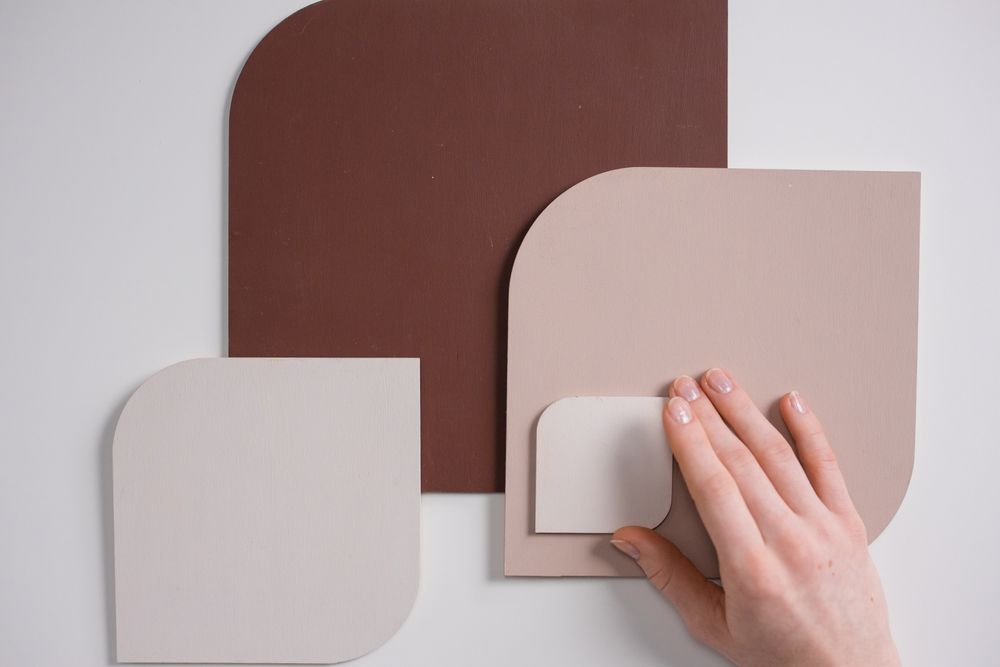
A deep colour like Midnight Teal or Tudor Brown can look magnificent on a colour card and quite different on a north-facing hallway wall at four o'clock on a grey afternoon. That gap between the card and the room is the main reason Heritage colours reward patience, and it is why the sensible first purchase is rarely a full tin.
Dulux Heritage began as a range in 1990 and became a standalone brand in 2021, according to Your Home Style. Its palette is inspired by significant periods of British decorating history, researched by historical colour experts and combined with contemporary trends, according to trade coverage of the launch. UK retailers list around 112 colours across two finishes.
Haverhill Paint Supplies sells Dulux Heritage paint as 125ml sample pots and larger tinted tins, alongside the decorating tools to apply them. Its guidance, read together with Dulux's own technical information, gives a clear route from shortlist to finished room.
Two finishes, two jobs
Heritage comes in two finishes. Velvet Matt is a washable, water-based emulsion with a soft matt appearance, made for interior walls and ceilings. Dulux's product page lists two coats, recoating after two to four hours and coverage of 13 square metres per litre.
Eggshell is for interior wood and metal. Dulux describes it as a durable, water-based finish that is easy to apply, quick drying and low odour, designed to complement Velvet Matt so one colour scheme can run from walls to trim. Haverhill is firm on the point that matters: use Eggshell on properly prepared doors, skirting and trim rather than wall emulsion.
Test the colour where it will live
Light changes everything. Haverhill notes that north-facing rooms can make cool colours look more muted, while strong daylight can brighten paler shades, and it suggests considering the flooring, tiles, worktops and furniture you plan to keep. Dulux sells 125ml testers for exactly this purpose.
Paint a generous patch, or a large piece of card you can move around the room, and look at it in the morning, afternoon and evening. Live with it for a few days before committing to a full tin. Colours on screen can also differ from the real thing, which is another reason not to choose from a photograph.
Preparation does most of the work
A rich colour shows every flaw in the wall beneath it. Haverhill's preparation checklist is simple:
- Make sure the surface is clean, dry and sound
- Repair any cracks, dents or loose material
- Stir the paint thoroughly before use
- Test your colour in different parts of the room
- Follow the listed instructions for drying and recoating
For new or bare surfaces, Dulux's technical information advises sealing with a thinned first coat of Velvet Matt, using up to one part clean water to five parts paint. Haverhill adds that bare surfaces, strong colour changes or uneven backgrounds may need extra preparation or a suitable first coat.
Applying Velvet Matt
Haverhill recommends a good-quality short-pile microfibre roller on smooth walls, with a suitable brush for cutting in. Two full coats are normally recommended for both Velvet Matt and Eggshell. Allow the recoat time before the second coat, because rushing it is a common cause of patchy depth. A suitable kettle or tray helps keep the work clean, and decorator's masking tape protects edges and fittings.
Building a scheme
Haverhill suggests pairing a soft neutral on the walls with a deeper green or blue on cabinetry, doors or a feature area, or blending classic colours for a fully heritage look. Because the two finishes are designed to work together, trim in Eggshell can pick up a wall colour or contrast with it. If you cannot decide, a printed colour chart and Dulux's own online colour collection are good places to compare groupings side by side.
Washable is not the same as indestructible
Haverhill describes Velvet Matt as a practical choice for many living spaces, and Dulux calls it a washable matt emulsion. One UK stockist adds a useful nuance: it can be lightly cleaned once fully dry, but areas that need frequent washing or take heavy wear may call for a tougher finish. Follow the care advice on the tin, and choose finishes by how hard the room is used.
Heritage colours are chosen slowly and applied carefully. Give the sample a few days, prepare the surface properly, and the finished room will look like the one you imagined.