
Stephen Gleave: Ancaster Resident’s Guide to Preparing Your Garden for Winter
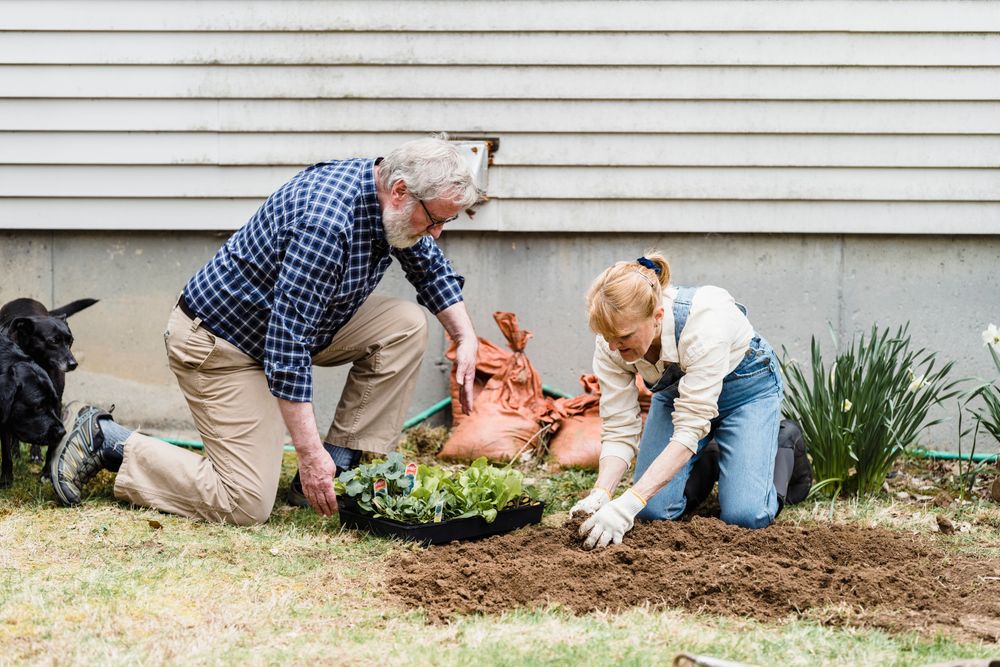
In Canada, winter can arrive before you've even had time to take down your Halloween decorations. It may seem like just yesterday you were tending to your tomato plants and enjoying the summer breeze. But winter doesn't wait for anyone. It may be wise to take some advice from Canadians on how they prepare for winter so that you can make the most of your garden in the spring.
Stephen Gleave is a farmer from Ancaster, Ontario. He lives on his family farm and raises various livestock, bees, and Highland cows, while tending crops and gardens. Well-versed in weathering Canadian winters, Stephen shared tips for preparing your garden for winter the way they do up in the Great White North.
Cleaning Up and Prepping Your Garden Beds
Before winter even starts showing its face, Stephen Gleave recommends taking time to clean and prep your garden beds properly. Remove any vegetables or plant debris from your last harvest, and carefully check any remaining plants for signs of disease. Throw away diseased plants instead of adding them to any compost pile.
After cleaning, you can prepare your soil by adding nutrient-rich compost to help replenish nutrients lost during the colder seasons. You may even consider planting a cover crop like clover over the beds to help protect your soil from natural elements. Pay attention to when cover crops need to be planted to get the results you want. As any experienced farmer knows, a happy garden starts from the ground up, and making sure you have excellent soil will set you up to harvest great vegetables next spring.
Protecting Plants Against Winter Conditions
When it comes to protecting your existing plants, you have a few options. For low-growing plants, simple things like laying down mulch or straw can protect roots and provide insulation. For larger plants, removing dying leaves can help keep them healthy over winter and also create safe places for animals to overwinter. Especially on his farm in Ancaster, Stephen Gleave always stresses considering the wildlife that may use the space that your plants provide during the winter.
If you have perennial vegetables, you may already know they'll need minimal care because they go dormant. But there are a few things you can do to give them extra love in winter. For your perennials, wait until you know they're fully dormant, then cut back dead stalks or foliage. Then apply a thick layer of mulch, three to six inches deep, after the ground freezes. This helps insulate your soil during deep freezes and helps protect your plants in the long run.
Planning for Spring
Winter is a great time to reflect on your last growing season and to make changes for the upcoming one. Stephen Gleave recommends taking time to think about how your plants did last year and whether you feel they're worth pursuing next year. If you want to try again, consider moving your plants. It may make all the difference. Rotating crops can help reduce soilborne diseases and can help manage nutrient demands.
Take stock of what you already have in terms of garden supplies. Knowing what seeds and tools you already have can help you plan your spring garden. This also gives you time to research new crops and order seeds if you're planning to try something new in your garden next year.
You can always take time to think about your garden even during the off-season. With steps to preserve your garden before the snow rolls in, you can be confident that your winter planning will lead to a fruitful harvest when summer rolls around.