
How to Build a Resilient Water System on Your Homestead
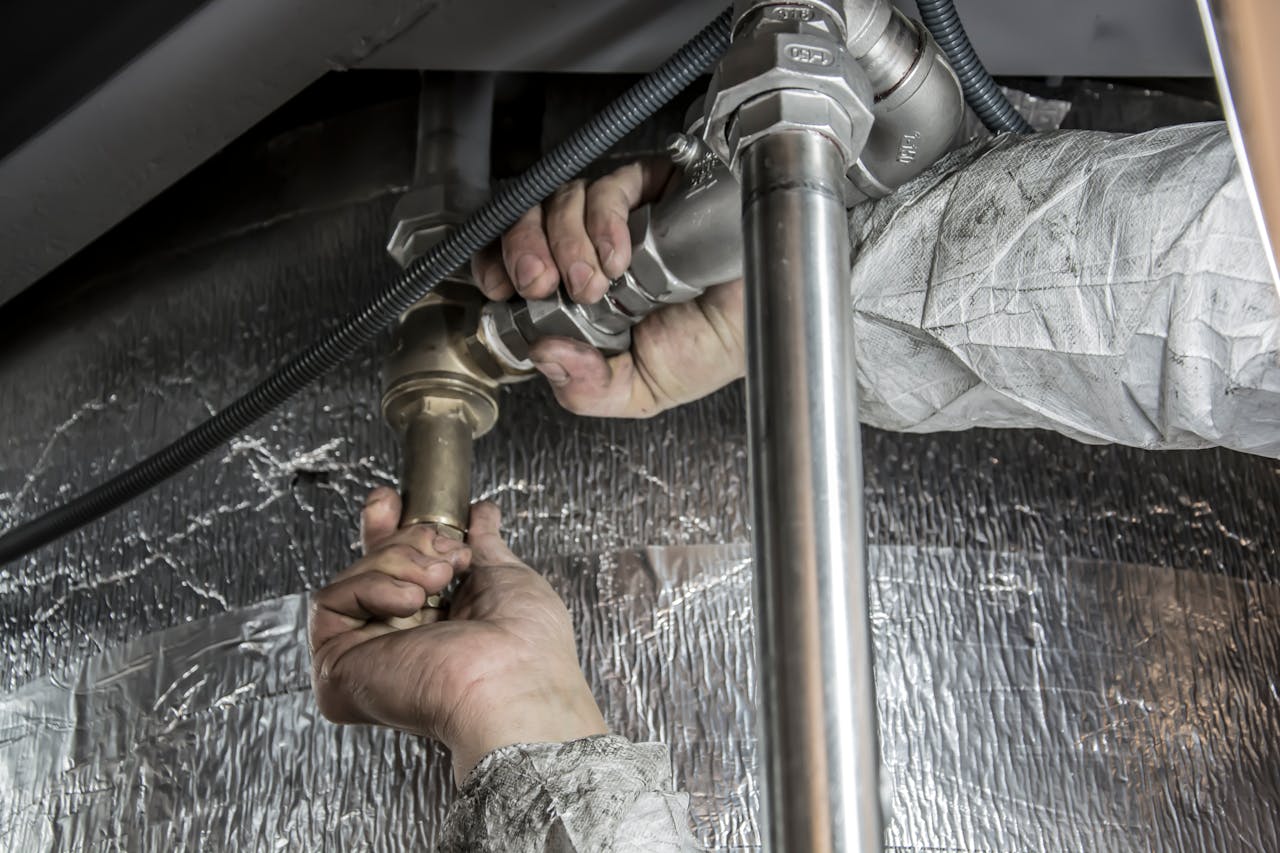
A resilient homestead starts with a dependable water line, one that keeps clean, usable water flowing no matter the season, the weather, or the demands of daily life. Whether your supply comes from a well, rain catchment, or a mix of sources, building a system that stays steady under stress is the foundation of long-term self-reliance.
Resilient Homestead Water Systems Essentials
A resilient water system does four things reliably in all seasons: it delivers enough water for humans, animals, plants, and cleaning, and most homesteads underestimate demand because animals and irrigation can double daily use. Strong homestead water systems also protect water quality at every stage so water stays clean from source to storage to distribution and end-point use. They stay functional during power loss, storms, and seasonal shifts, remaining operational even when the pump, grid, or primary line fails. And they separate potable needs from everything else because drinking water is the most fragile, while animals and gardens tolerate more. https://happyhiller.com/locations/birmingham/plumbing-services/water-line-repair-installation/
Different water sources shift the required infrastructure. Well water needs pump power reliability, pressure management, water filtration for minerals or iron, and contamination safeguards; outages create pressure loss, and water quality can drift over time, so treatment must be modular. Rainwater harvesting requires oversized tanks, pre-filters or first-flush diverters, protection against algae and mosquitoes, and seasonal backup because drought cycles are real; potability requires full homestead water treatment including sediment, carbon, and disinfection. Surface water from ponds or creeks needs aggressive filtration and disinfection, sediment reduction, biological treatment, UV or chlorination, because biological load and turbidity swing with storms and seasons, and pumps need freeze-proof, debris-resistant design. Municipal water is mechanically simpler but still benefits from backup storage, pressure regulation, and carbon filtration to handle chlorine variability.
The most resilient homesteads blend sources such as well water, rain catchment, and stored reserves as redundancy. A resilient system must do more than provide water, it must remain stable under seasonal, mechanical, and environmental stress. Year-round reliability depends on maintaining consistent flow despite shifting household, livestock, and irrigation demand; storing surplus water so the system recovers quickly after high-use periods; maintaining water quality during storage and distribution so biofilm, stagnation, mineral precipitation, and temperature swings don’t degrade water; and absorbing failures such as a tripped breaker, pump failure, frozen hydrant, clogged filter, or dry spell without collapsing access.
Freeze-Proofing Your Homestead Water Supply
Winter survival is about keeping water moving, warm, or insulated from cold soil layers. Minimum best practices start with trench depth: always go below frost line plus 12 inches for safety, since the frost line is often miscalculated and actual freeze depth can exceed charts after prolonged cold. Soil type also matters, clay and shaded areas freeze deeper than sandy or sunny exposures.
Piping material should be PEX-A in long, uninterrupted runs with no buried joints, since it tolerates freeze expansion far better than PVC or copper. Use sweeping bends instead of tight elbows and compact trench backfill to prevent voids that trap cold air.
Insulation strategy centers on protecting any section that rises above frost depth, especially where lines enter buildings, at foundation penetrations, exterior hydrant risers, pump houses, and crawlspace runs. Most freeze failures happen at these junctions, so they need oversized insulation and wind protection. Use closed-cell foam plus heat tape where exposure is unavoidable.
Freeze-proof hydrants must have their drain port below frost depth and surrounded by clean gravel to ensure proper drainage; clay soils make hydrants fail even when installed correctly.
For livestock areas, add shut-off valves to isolate barn lines in deep winter and protect trough heaters and GFCI outlets from moisture. Install shutoff valves in accessible boxes above frost line and avoid running water lines through uninsulated exterior walls.
Winter protection succeeds when water lines stay deep, dry, insulated, and uninterrupted, the foundation of durable homestead plumbing.
Homestead Water Treatment Limits and Contamination Risks
Common contaminants on homesteads include coliform and E. coli bacteria from surface infiltration or shallow casing defects; iron, manganese, and hardness minerals that cause staining, clogging, and scaling; sulfur ("rotten egg smell") from anaerobic bacterial activity; nitrates from livestock operations or fertilized fields; sediment from aquifer shifts or pump disturbance; and occasional chemical contaminants such as PFAS, pesticides, or industrial runoff, which DIY filtration rarely manages well.
DIY setups can handle sediment reduction, taste and odor improvement, mild iron removal, and basic carbon filtration, but they struggle with consistent disinfection because UV must be sized, cleaned, and powered reliably. They also fail when iron and manganese levels fluctuate, when sulfur-reducing bacteria are present (often requiring professional shock chlorination and system redesign), and with nitrates, which require reverse osmosis or ion exchange. Chemical contaminants also demand lab testing and specialty filtration. Maintaining proper flow rates and contact times for media-based filtering is another point where DIY systems fall short.
The rule of thumb holds: if a contaminant affects health rather than convenience, DIY is not enough, especially when designing long-term homestead water treatment.
Safe Filtration for Homestead Water
Think in terms of tiers, not one-size-fits-all. Water does not need the same purity for all uses; efficient systems match treatment level to need. Whole-house protection focuses on sediment filtration and carbon blocks that remove taste, odor, and chlorine in municipal systems, with optional iron or manganese filtration or aeration with backwashing media to protect plumbing and plumbing fixtures. General household use such as showers, laundry, and cleaning has the same goal: protect plumbing with sediment and carbon, adding a softener or iron filter if needed.
Potable water treatment requires a dedicated high-purity line for drinking and cooking, typically sediment and carbon followed by RO or UV purification, with optional remineralization. In wells with bacterial fluctuations, chlorination paired with carbon polishing fits the same role. A separate tap prevents contamination from household plumbing.
Livestock and garden water do not need drinking-water purity. Animals and plants tolerate more minerals, and garden irrigation often thrives on mineral-rich water, so RO should not be wasted here. Use simpler treatment such as sediment filtration to protect valves and nozzles, basic carbon for taste, and iron reduction only if staining is a concern. Different animals tolerate contaminants differently: poultry need the cleanest water, goats tolerate minerals but not bacteria, and cattle tolerate bacteria but not high nitrates, so filtration should reflect species needs rather than applying a uniform standard. This tailored approach keeps homestead water systems efficient without overcomplicating the setup.
High-Use Fixture Care in Homestead Plumbing
Pressure tanks often fail from bladder rupture or short-cycling. Annual pressure checks, correct tank sizing, and replacing air valves prevent most issues. Pressure switches also fail from rapid cycling caused by leaks or undersized tanks, so the underlying cause must be corrected rather than swapping the switch.
Well pumps overheat or wear prematurely from sediment, improper depth, low voltage, or voltage fluctuations. Sediment control, surge protection, and proper pump sizing and depth protect the pump.
Outdoor hydrants typically freeze at the drain port or leak at packing nuts when the drain bed clogs. Ensuring proper gravel drainage, refreshing the gravel bed, adjusting packing nuts, and using rebuild kits every 3-5 years prevents most failures.
Livestock waterers most often suffer from float-valve failure, heater element burnout, or cracked basins. Insulated bases, replaceable heaters, accessible components, and annual descaling extend their lifespan.
Water heaters lose efficiency and fail early from sediment buildup and anode depletion. Regular flushing every 6-12 months and proactive anode rod replacement keep them functioning. Homestead plumbing components run harder than suburban ones, so they should be built for overcapacity and serviceability.
Sump Pump Prep With Plumber Homestead Support
Seasonal challenges include spring thaw that super-saturates soil and forces water upward into crawlspaces, heavy rain that overwhelms shallow or natural drainage, runoff from slopes that pushes water toward foundations, and rising groundwater or high water table zones where water moves vertically as well as horizontally, increasing crawlspace humidity.
A sump pump protects by creating a controlled low point where water gathers instead of spreading, relieving hydrostatic pressure around foundations, and pumping water away before it rises high enough to rot joists or flood mechanical areas. It keeps crawlspaces, pump houses, and utility rooms dry, maintains stable soil moisture around buried water lines, and provides backup groundwater management when exterior drainage freezes or clogs, all essential elements of a healthy homestead water supply.
Installation requires a properly sized basin, a check valve, and an alarm to signal failure before flooding occurs. Battery backups or water-powered backups are essential for storms that coincide with power outages. When issues arise, having a plumber homestead professional available for troubleshooting adds another layer of resilience.
Backup Strategies for Reliable Homestead Water Systems Access
True resilience is layered. Source redundancy comes from pairing well water with rain catchment or a cistern, using gravity-fed storage when possible, and keeping a manual pump or bucket-access option available if power is out. Power redundancy relies on a generator sized for pump startup amperage, along with solar and battery backup for treatment systems and controls, plus hand-pump adapters for shallow wells.
Pressure and delivery redundancy requires oversized pressure tanks, a gravity-fed backup tank located uphill, and a secondary pump option such as a jet pump alongside a submersible. Distribution remains flexible when multiple shutoff valves and bypass loops allow sections of the system to be isolated, and spare hydrants near livestock areas provide alternatives during failures.
The goal is simple: any single failure should slow you down, not shut you down. These measures prevent single-point failures from taking out the entire homestead water system.
Maintenance Tips for a Healthy Homestead Water Supply System
A dependable schedule includes monthly checks for leaks on all exposed lines, cleaning sediment filter screens, verifying proper pump cycling and pressure behavior, and testing GFCI outlets or heat-taped lines during winter. Quarterly tasks involve flushing the hot water tank or heater, inspecting outdoor hydrants for proper drainage, and testing water quality, bacteria routinely, and nitrates if you have livestock.
Twice per year, service the pressure tank, inspect the crawlspace or basement for moisture changes, and shock-chlorinate the well if needed. Annual tasks include a full laboratory water test, replacing carbon filters, rebuilding or lubricating livestock waterers, reviewing winterization measures such as insulation, heat tape, and trench integrity, and evaluating pump amperage draw.
Maintenance is cheaper than repairs, and avoids catastrophic failures in any homestead water system.
Common Mistakes in Homestead Plumbing Setup
The most common, and costly, missteps begin with underestimating total water demand, since gardens and livestock often double or triple consumption. Many systems also fail because they weren’t planned for power outages; a well pump without backup power means no water. Lines buried too shallow lead to freeze failures that cost more than proper excavation, and assuming rainwater is "free drinking water" ignores the fact that it requires serious homestead water treatment for potability.
Using the same water quality standard for all tasks adds unnecessary complexity, while filtration used to mask underlying plumbing or pump sizing issues only delays bigger failures. Property drainage is often forgotten even though groundwater causes more system failures than drought, and seasonal water table shifts mean a well that performs in August may struggle in March. Tanks, hydrants, and valves placed in areas prone to cold or runoff face the same risks.
Regular water testing is essential because contaminants, minerals, and bacteria fluctuate, yet many homesteaders fail to test water throughout the year. Designing only for current use instead of inevitable future expansion, or treating water systems as a one-time setup rather than something that must evolve and be monitored, leads to early breakdowns. Buying the smallest possible components, tiny pressure tanks, undersized pumps, weak filters, also ensures premature failure under rural loads.
The successful homesteader designs water systems the way they design roofs: with the assumption that someday, something will go wrong, and they’ll be ready for it, with a resilient homestead water supply that can withstand anything.