San Antonio Sustainable Living & Farm Tours: What to See and Do
San Antonio offers a meaningful look into historic farming traditions, sustainable agriculture, and modern food systems, with opportunities to explore both heritage sites and working urban farms. From the Spanish colonial missions to community-driven agricultural programs, visitors can experience how traditional practices and modern sustainability efforts continue to shape the region.
San Antonio Farm Experiences: Heritage Sites and Urban Agriculture
View this post on Instagram
San Antonio’s agricultural story spans centuries, beginning with the Spanish mission system and continuing through today’s community farming initiatives. At Mission San Juan Capistrano, part of the San Antonio Missions National Historical Park, visitors can see remnants of the historic acequia irrigation system, which once supported farming operations across the mission lands. While farming still occurs nearby, the land is now managed in partnership with organizations such as the San Antonio Food Bank, which operates an urban farm program that supports local food access and education. For a broader Hill Country experience, Herff Farm at the Cibolo Center for Conservation (Boerne) offers a well-preserved historic homestead with teaching gardens, walking trails, and seasonal farmers markets. This site provides insight into both historic and modern sustainable farming practices. These locations highlight the evolution of agriculture in the region—from mission-era subsistence farming to contemporary food systems.
Farmers Markets and Community-Supported Agriculture in San Antonio
View this post on Instagram
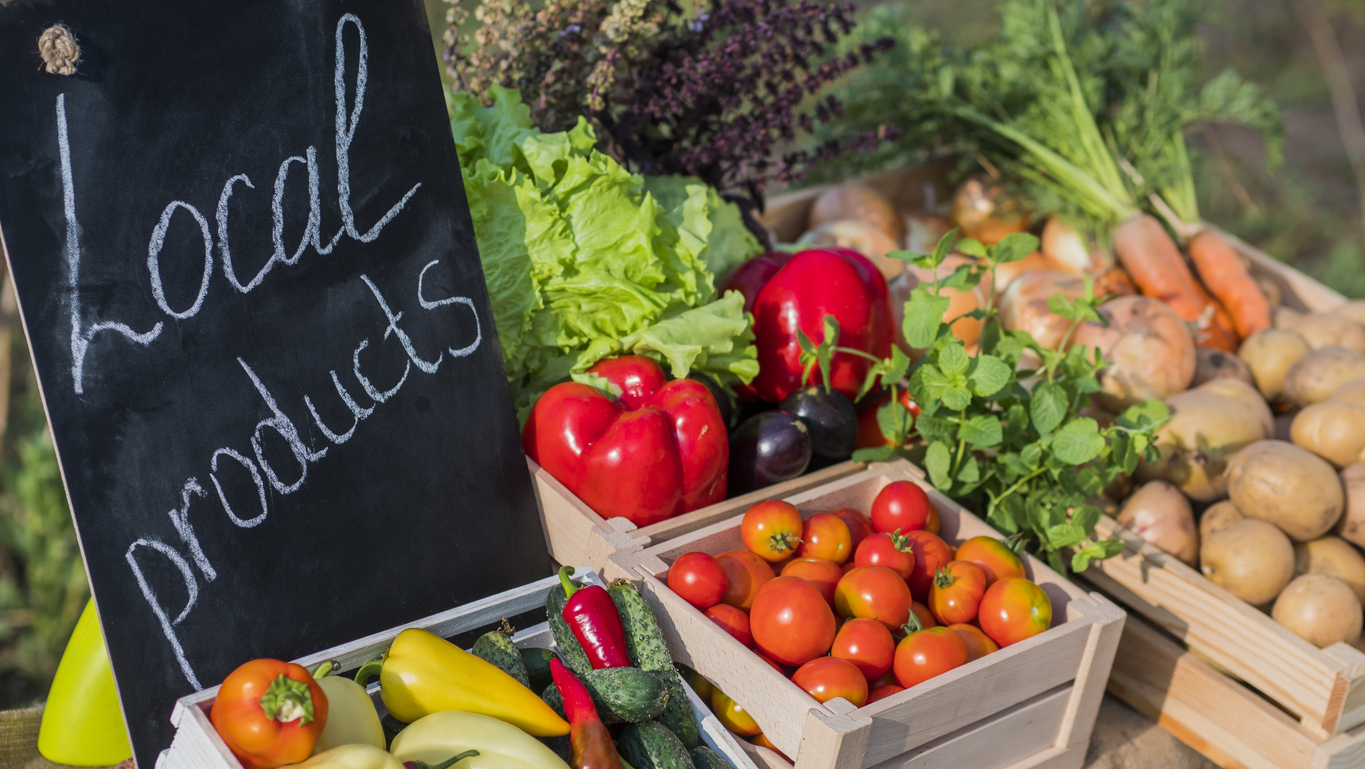
San Antonio’s homesteading culture is closely connected to its local farmers markets and community-supported agriculture (CSA) programs, which provide direct access to fresh, locally grown food. The Pearl Farmers Market, held weekly at the Pearl District, is one of the city’s most popular markets, featuring regional farmers, ranchers, and artisan food producers offering seasonal produce, pasture-raised meats, and handmade goods. Other markets and farm programs throughout the area allow visitors to experience locally sourced food systems while supporting small-scale agriculture. CSA programs, offered by regional farms, provide recurring boxes of fresh produce and goods, giving participants a deeper connection to the land and seasonal growing cycles.
Choosing the Right Experience: History, Sustainability, or Community Impact
San Antonio’s homesteading and agricultural experiences generally fall into three categories, each offering a different perspective. Historic and Cultural Sites
- Mission sites such as Mission San Juan and Mission San José
- Focus on early irrigation systems, architecture, and colonial-era farming
Sustainability and Urban Agriculture
- Programs like the San Antonio Food Bank Urban Farm
- Emphasize education, food production, and environmental stewardship
Hill Country and Regional Farming
- Locations such as Herff Farm in Boerne
- Offer hands-on learning, seasonal markets, and connections to local food systems
Selecting the right experience depends on whether you’re interested in history, hands-on learning, or modern sustainability efforts.
Acequia Irrigation and Historic Farming Practices
View this post on Instagram
One of the most fascinating features of San Antonio’s agricultural history is the acequia system, a network of irrigation canals developed during the Spanish colonial period. These channels diverted water from the San Antonio River to mission fields using gravity-fed engineering. Portions of these systems are still visible today, particularly near Mission San Juan, offering a glimpse into how early communities sustained agriculture in South Texas. While no longer used at their original scale, acequias remain an important symbol of shared water management and community cooperation.
Tour Access, Schedules, and Seasonal Highlights
View this post on Instagram
Most mission sites and public agricultural spaces are open year-round, with self-guided exploration available during park hours.
- Mission sites typically offer free access and occasional ranger-led programs
- Herff Farm hosts seasonal markets and educational events, especially in spring and fall
- San Antonio Food Bank Urban Farm offers scheduled tours and volunteer opportunities, often requiring advance registration
Seasonal highlights include spring planting cycles, fall harvest events, and farmers markets, which provide the most active and engaging experiences.
Pricing, Group Visits, and Accessibility
Many of San Antonio’s homesteading-related sites are free or low-cost, especially those managed by public or nonprofit organizations.
- Mission sites: Free admission
- Herff Farm and community farms: Often free to visit, with optional donations or event fees
- Guided tours or workshops: May require advance booking and modest fees depending on the program
Most locations are accessible, though walking trails and outdoor terrain may require comfortable footwear and mobility considerations.
How to Plan Your Visit
Planning ahead helps you make the most of your experience.
- Check official websites for tour availability and seasonal events
- Combine visits to multiple sites, such as missions and nearby parks, in a single day
- Allow extra time for walking trails and educational exhibits
For the best experience, visit during cooler months or earlier in the day, especially when exploring outdoor locations.
Hill Country Farm Stays and Agritourism Experiences
Just outside San Antonio, the Texas Hill Country offers opportunities to extend your visit with farm stays and agritourism experiences. In areas like Fredericksburg, Boerne, and surrounding countryside, visitors can find:
- Guest ranches and farm properties offering overnight stays
- Working farms that provide tours, tastings, and seasonal activities
- Scenic landscapes ideal for relaxing and connecting with rural life
These experiences offer a deeper immersion into Texas agricultural traditions and sustainable living.
Local Food Producers and Agricultural Experiences
San Antonio’s homesteading landscape extends beyond farms to include regional food producers and agricultural businesses. Visitors can explore:
- Texas Hill Country wineries, offering tastings and vineyard tours
- Olive oil producers, such as those found in nearby Hill Country communities, showcasing small-batch production
- Ranch tours that highlight livestock operations and sustainable land management
These experiences provide insight into the broader farm-to-table ecosystem, connecting agriculture, production, and local cuisine.