Outdoor Permaculture and Homestead Workshops in Texas Nature
Texas offers a growing number of permaculture and homesteading workshops that combine hands-on learning with real-world environmental conditions. From urban programs in Houston to immersive Hill Country retreats, these courses teach soil regeneration, water management, natural building, and sustainable food production. Workshops range from single-day intensives ($50–$150) to full Permaculture Design Certificate (PDC) programs ($800–$1,500+), with some offering scholarships or work-trade options. Texas’s diverse climates—from humid Gulf Coast regions to arid West Texas—create ideal outdoor classrooms for developing practical, adaptable skills.
Urban Programs vs. Residential Intensives: Choosing the Right Format
View this post on Instagram
Permaculture education in Texas typically falls into two formats: urban, part-time courses and residential immersive programs. Urban programs—like those offered by Urban Harvest in Houston or the Austin Permaculture Guild—allow participants to attend classes on weekends or evenings while maintaining work schedules. These focus on small-scale gardening, composting, and urban sustainability. Residential intensives, often held in Hill Country properties near Wimberley or Dripping Springs, provide full immersion over several days or weeks. These programs emphasize hands-on land design, natural building, and community living, making them ideal for those seeking deeper experience. Both formats typically lead to a Permaculture Design Certificate (PDC), recognized internationally.
Permaculture Workshops in Houston and Urban Texas
View this post on Instagram
Houston remains one of the most active hubs for permaculture education in Texas. Urban Harvest offers seasonal gardening and sustainability classes, including longer-form training programs that cover organic growing, composting, and ecological design. Courses are often held at partner sites like community gardens and educational spaces across Houston, rather than a single fixed campus. In addition to structured courses, you’ll find:
- Community garden workshops
- Seasonal planting classes
- Introductory permaculture sessions
Pricing typically ranges from $25–$100 per class, with longer certificate-style programs costing more.
Notable Permaculture Workshops and Recurring Events in Texas
View this post on Instagram
Several organizations across Texas host recurring workshops, seasonal classes, and certification programs that provide consistent learning opportunities.
- Urban Harvest (Houston) – Offers regular classes on organic gardening, composting, and sustainable growing, along with seasonal intensives
- Austin Permaculture Guild – Hosts Permaculture Design Courses (PDCs), weekend workshops, and community-based learning events
- The Permaculture Institute of Texas – Organizes certification courses and advanced design training across multiple locations
- AgriLife Extension (Texas A&M) – Provides local workshops on soil health, water conservation, and homesteading practices in counties statewide
These programs run throughout the year and are often tied to planting seasons, harvest cycles, and regional climate conditions, making them highly practical for Texas learners.
Hill Country and Central Texas Residential Workshops
The Texas Hill Country is a major destination for immersive permaculture and homesteading education. Areas around Wimberley, Dripping Springs, and Fredericksburg host multi-day or multi-week programs focused on:
- Water harvesting systems (swales, rain catchment)
- Soil building and composting
- Natural building techniques like cob and straw bale
- Food forest design and regenerative agriculture
Programs vary in structure, but most include on-site lodging, shared meals, and collaborative projects. Tuition for residential courses typically ranges from $800 to $1,500, depending on duration and amenities. Nearby natural attractions like Blue Hole Regional Park (Wimberley) and Jacob’s Well Natural Area provide additional outdoor learning environments.
Skills You’ll Learn: From Garden Design to Natural Building
Permaculture workshops in Texas emphasize practical, hands-on skills that can be applied to both urban and rural settings. Common areas of study include:
- Site observation and land assessment
- Water management systems such as swales and rainwater harvesting
- Soil regeneration and composting techniques
- Natural building methods, including cob and earthen materials
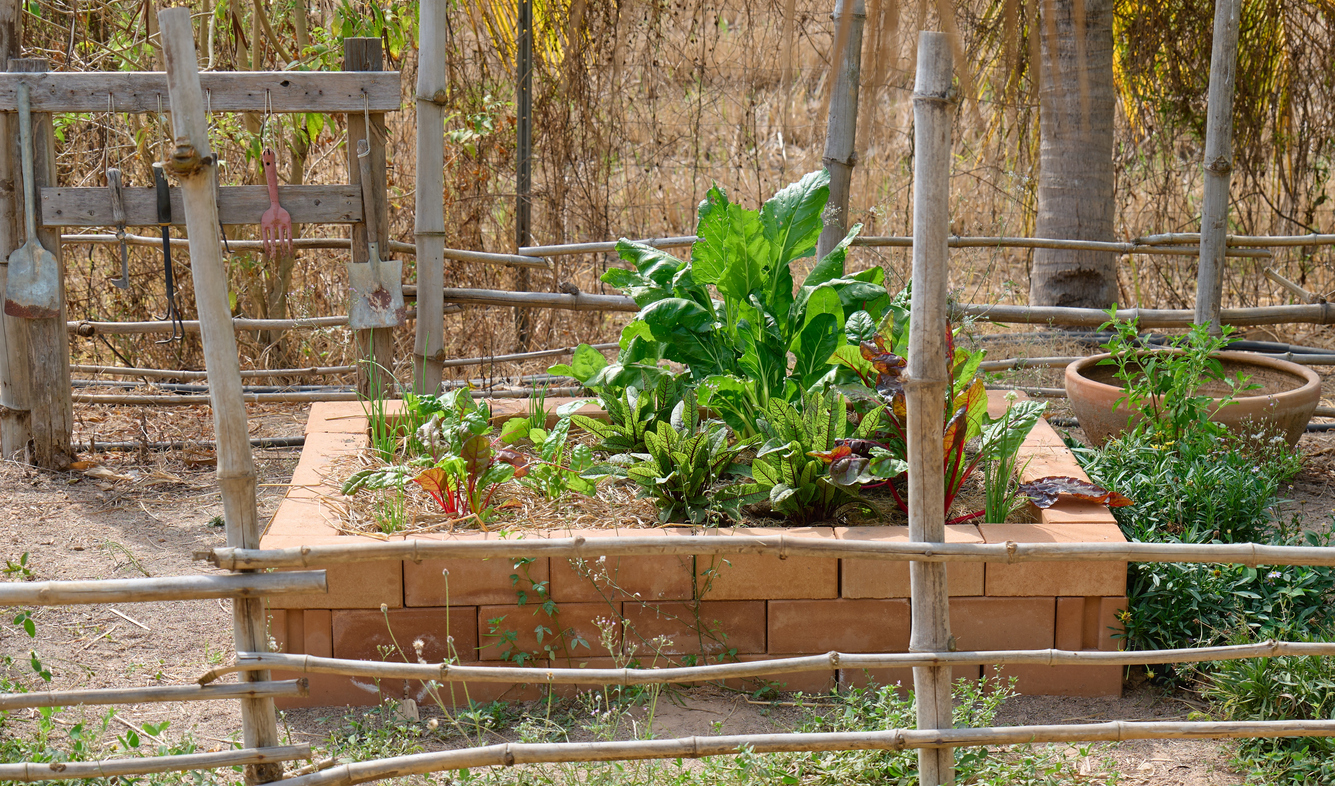
- Food production systems, including raised beds and food forests
These skills are designed to help participants create resilient, self-sustaining landscapes adapted to Texas conditions. Many of these principles—especially site observation and seasonal land management—are also applied in real-world outdoor settings, as seen in guides like fall hiking and trail exploration across Texas landscapes, where understanding terrain, climate, and timing shapes how you interact with the environment.
Tools, Starter Kits, and Materials Used in Workshops
Most permaculture and homesteading workshops incorporate hands-on use of essential tools and materials. Common items include:
- Hand tools such as shovels, hoes, and garden forks
- Composting systems, including bins and vermiculture setups
- Irrigation supplies like drip lines and rain barrels
- Natural building materials such as clay, straw, and reclaimed wood
Some programs provide shared equipment, while others recommend bringing basic gear. Many also offer starter kits or resource guides to help participants continue projects at home.
Beginner vs Advanced Permaculture Learning Paths
Permaculture education in Texas is typically structured in progressive levels. Beginner programs introduce core concepts such as:
- Soil health and composting
- Basic garden design
- Water conservation techniques
Intermediate and advanced programs expand into:
- Whole-property design and zoning
- Rainwater harvesting systems
- Food forests and perennial systems
- Teaching or consulting pathways after certification
Starting with foundational workshops before advancing to a full PDC certification ensures a more effective and practical learning experience.
Tuition, Costs, and Work-Trade Opportunities
Costs vary depending on program length and format.
- Single-day workshops: $50–$150
- Weekend intensives: $150–$400
- Full PDC certification courses: $800–$1,500+
Many programs offer payment plans, scholarships, or work-trade options, allowing participants to offset costs through labor or community involvement. Online courses are also available, often ranging from $100–$500, though they typically lack the hands-on experience of in-person training.
Seasonal Learning: What You’ll Study Throughout the Year
Texas’s climate allows for year-round permaculture education, with each season focusing on different skills.
- Winter: Infrastructure building, soil preparation, and tree planting
- Spring: Planting, garden design, and water management
- Summer: Heat management, irrigation, and crop resilience
- Fall: Harvesting, composting, and system evaluation
This seasonal structure helps participants understand how to adapt techniques to changing environmental conditions.
Seed Swaps, Homesteading Fairs, and Seasonal Events
Beyond formal classes, Texas hosts a variety of community-driven events that support hands-on learning and networking.
- Seed swaps held by community gardens and local groups, especially in spring and fall, where participants exchange seeds adapted to Texas climates
- Homesteading and sustainability fairs, often organized by local farms, agricultural groups, and extension offices
- Farmers market workshops that include demonstrations on composting, food preservation, and seasonal planting
These events provide low-cost or free opportunities to build skills while connecting with local growers and homesteading communities.
Certification and Advanced Learning Paths
Completing a 72-hour Permaculture Design Course (PDC) provides a recognized foundation for further work in sustainability, landscaping, or teaching. Advanced opportunities may include:
- Assisting in future workshops
- Participating in teacher training programs
- Developing independent design projects or homesteads
Many graduates go on to apply their knowledge in community gardens, small farms, or consulting roles.
Why Texas Is Ideal for Permaculture Education
Texas offers one of the most diverse environmental learning environments in the United States. Participants gain experience working with:
- High heat and drought conditions in Central and West Texas
- Humidity and heavy rainfall along the Gulf Coast
- Variable soil types, from clay-heavy regions to rocky Hill Country terrain
This diversity allows students to develop adaptable systems that perform under a wide range of conditions, making Texas an ideal training ground for real-world permaculture applications.
Related posts