
What New Homesteaders Should Know Before Buying Their First Tractor
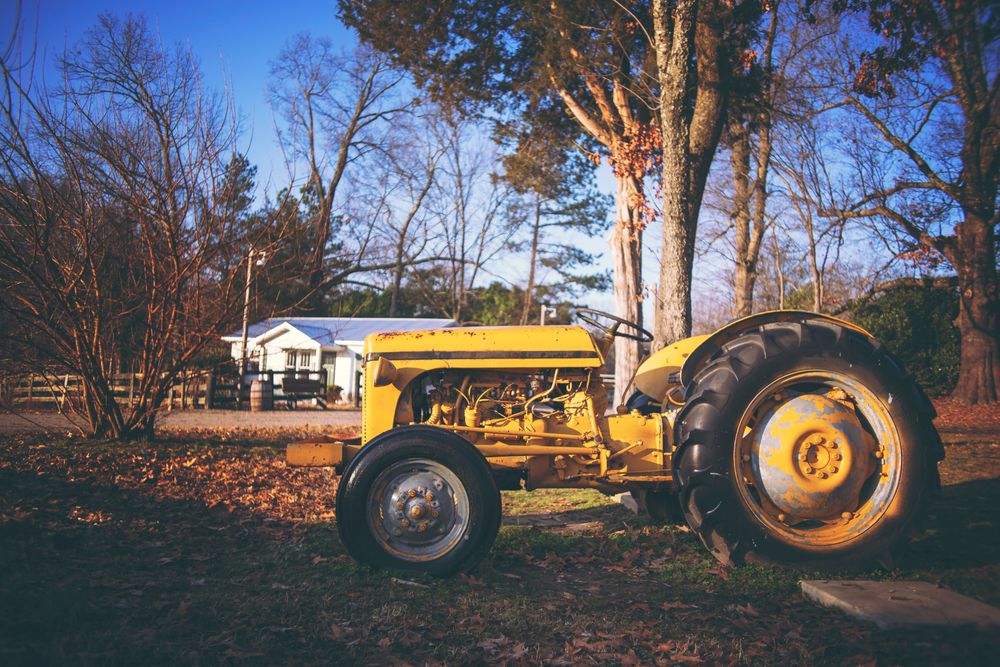
Starting a homestead comes with plenty of decisions, from choosing what to grow to figuring out how you'll maintain your land. At some point, you might find yourself wondering whether it's time to invest in a tractor.
For anyone managing several acres, a tractor can make jobs such as mowing, hauling materials, and preparing soil considerably easier. However, buying one isn't quite as straightforward as choosing the biggest machine you can afford.
Before making such a significant investment, there are a few things every new homesteader should consider.
Think About What You'll Actually Use It For
It's tempting to assume that owning land automatically means you need a tractor, but that isn't always the case. If you're maintaining a small vegetable garden and a few chickens, you might manage perfectly well with basic equipment.
Larger properties with extensive mowing, landscaping, or agricultural work may benefit more from a compact tractor. Make a list of the jobs you expect to complete throughout the year. This will help you decide whether a tractor is necessary and what size and capabilities you'll need.
Bigger Doesn't Always Mean Better
A powerful tractor might sound appealing, but larger machinery can be difficult to maneuver around smaller properties. Compact tractors are often better suited to homesteads with narrow pathways, garden beds, and limited storage space.
Consider the terrain too. Sloping ground, muddy fields and uneven surfaces can influence which type of tractor is appropriate. It's also worth researching attachments. A front loader, mower, or tiller can make your tractor more versatile, although these additions will increase the overall cost.
Don't Forget About Transportation
Finding an affordable tractor is exciting, especially when buying secondhand. However, there's another expense that new owners sometimes overlook: getting it home. Unlike smaller gardening equipment, tractors often require specialist trailers and suitable loading equipment.
If you're purchasing machinery from another area, comparing transportation quotes through shiply.com can help you explore delivery options without having to organize the entire journey yourself.
Before arranging collection, confirm the tractor's weight, dimensions, and working condition so the transporter can bring appropriate equipment.
Consider the Ongoing Maintenance Costs
Buying a tractor is only the beginning of your financial commitment. Fuel, replacement tires, servicing and repairs all contribute to the long-term cost of ownership. Older machines may be cheaper initially but could require more frequent maintenance.
Before buying secondhand, inspect the engine, hydraulics and tires, and ask about the tractor's service history. It's also sensible to check whether replacement parts and local repair services are readily available.
Learn How to Operate It Safely
Even smaller tractors are powerful machines, and operating one without proper knowledge can be dangerous. Take time to understand the controls, read the manufacturer's instructions, and learn about safe operating practices.
Pay particular attention to rollover protection, appropriate seat belt use, and the risks associated with uneven ground. If possible, arrange a demonstration or practical training before operating the machine independently.
Make a Purchase That Suits Your Homestead
Your first tractor should make homesteading easier, not create unnecessary financial pressure or maintenance responsibilities.
By considering your land, everyday tasks, budget, and storage arrangements, you can choose equipment that genuinely supports your plans.
A well-chosen tractor can become a valuable part of your homestead for years to come, helping you spend less time struggling with demanding jobs and more time enjoying the lifestyle you're working to create.