DFW Urban Homesteading: Gardens, Markets & Classes
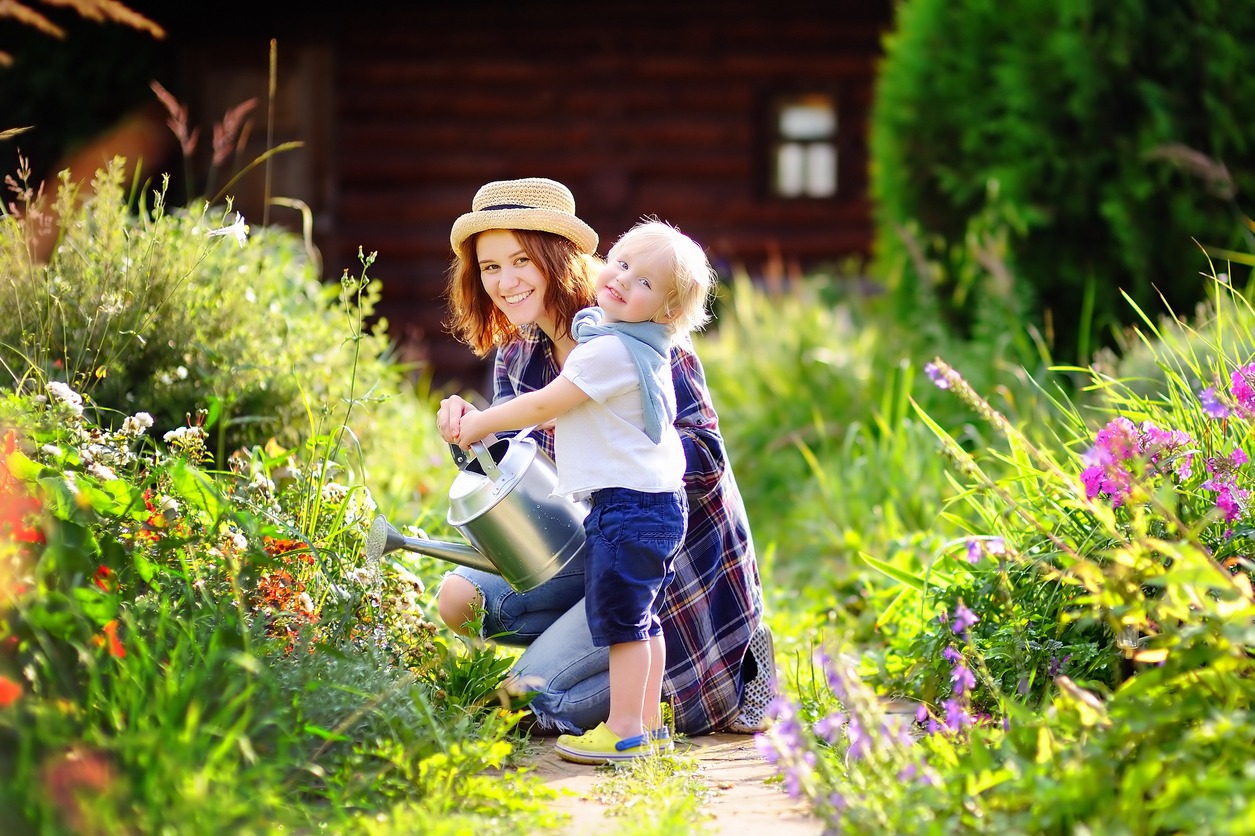
Urban homesteading in the Dallas–Fort Worth Metroplex continues to grow as residents look for ways to produce their own food, reduce waste, and build sustainable routines at home. From container gardening and backyard chickens to community gardens and farmers markets, DFW offers accessible entry points for beginners. With support from organizations like the Texas A&M AgriLife Extension Service, plus local workshops and garden networks, it’s possible to build practical homesteading skills right in a suburban or urban setting.
Urban Homesteading by Area: Dallas, Fort Worth, and Suburbs
Urban homesteading looks slightly different depending on where you live within the DFW Metroplex. Dallas Dallas tends to have smaller lot sizes and stricter zoning, making container gardening, raised beds, and small backyard setups the most practical options. Community gardens and shared spaces are especially valuable for residents with limited yard space. Fort Worth Fort Worth generally offers larger residential lots, which can support expanded setups like multiple raised beds, small chicken flocks, and composting systems. The city’s strong agricultural heritage also means more access to Western-style gardening and livestock practices. Suburbs (Plano, Arlington, Denton, Frisco) Suburban areas often provide the most flexibility, with HOA guidelines and city ordinances shaping what’s allowed. Many residents successfully maintain backyard gardens, fruit trees, and small-scale homesteading systems, especially in neighborhoods with larger yards. Understanding your local environment helps you design a setup that fits both your space and regulations.
Urban Chickens, Beehives, and Raised Beds: What Homesteading Looks Like in DFW
View this post on Instagram
Urban homesteading in DFW often starts with raised garden beds, container gardening, or small livestock like chickens. Many residents grow vegetables and herbs year-round using raised beds or containers, while others maintain backyard chicken coops for fresh eggs. Beekeeping is also practiced in some areas, though it is subject to local regulations and placement requirements. Rules vary by city. In general:
- Dallas and Fort Worth allow backyard chickens, but prohibit or restrict roosters due to noise
- Beekeeping is permitted in Texas, but cities regulate hive placement, density, and safety measures
Successful setups focus on cleanliness, proper spacing, and neighbor-friendly practices, ensuring compliance and long-term sustainability.
Fort Worth’s Zoning Rules for Backyard Chickens and Gardens
Fort Worth allows backyard chickens, but regulations depend on property size and zoning. While exact limits may vary or change, general guidelines include:
- Larger lots allow more birds, while smaller residential lots have stricter limits
- Roosters are typically restricted in residential areas due to noise
- Coops must be placed a minimum distance from neighboring homes and property lines
Because ordinances can change, it’s best to verify details directly through the City of Fort Worth Code Compliance Department before building a coop. Planning ahead helps ensure your setup meets health, sanitation, and zoning requirements.
Starting Your First Garden: Container Beds, Composting, and Soil Prep
View this post on Instagram
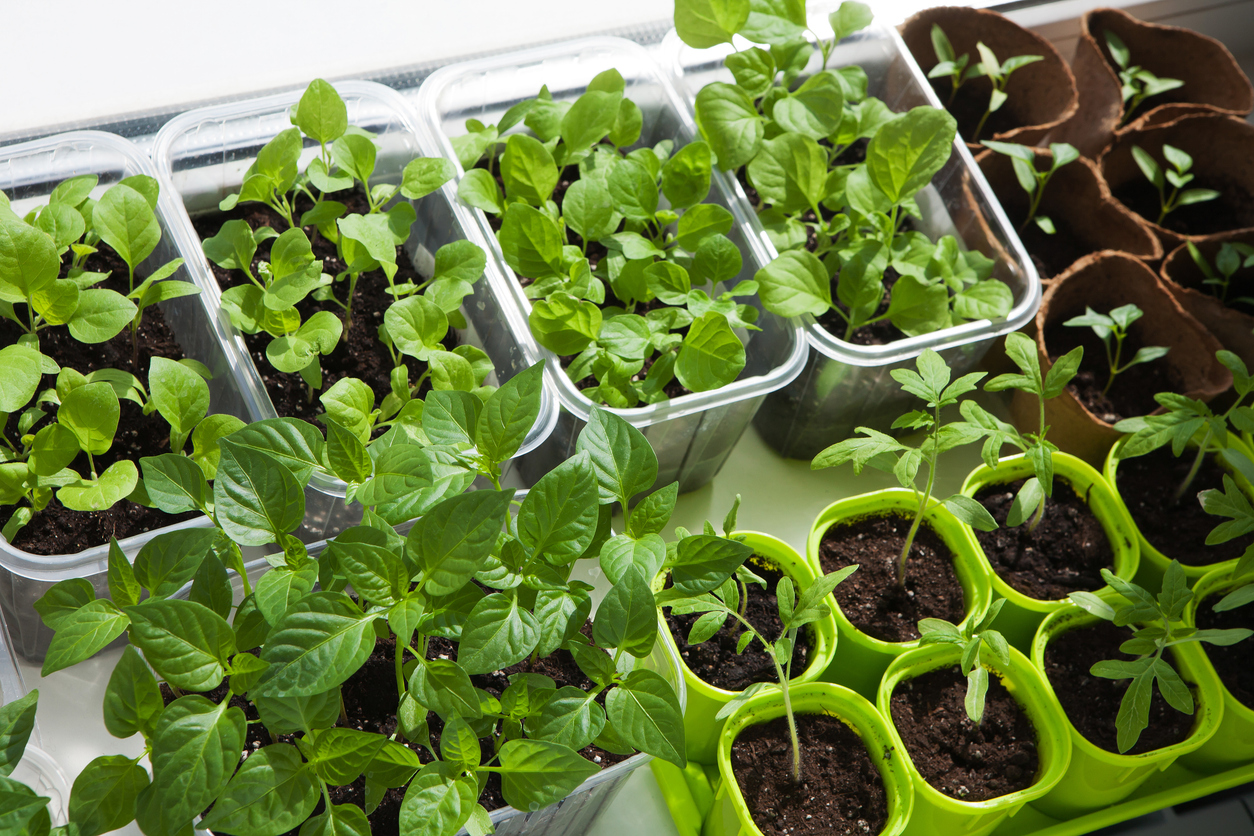
For beginners, container gardening is one of the easiest ways to start. Use appropriately sized containers:
- 5-gallon or larger for tomatoes and peppers
- Medium containers for leafy greens
- Smaller pots for herbs
Fill containers with high-quality potting mix, not native soil, and add compost to improve nutrients. Since container soil loses nutrients quickly, plan to fertilize regularly. DFW’s climate requires:
- 6–8 hours of sunlight daily
- Consistent watering, especially during summer heat
- Good drainage to prevent root rot
Composting—whether traditional or through vermicomposting (worm bins)—can help reduce waste and improve soil quality over time.
Beekeeping and Backyard Chickens for Beginners
Adding animals to your homestead requires planning and responsibility. For chickens:
- Choose heat-tolerant breeds suited to North Texas
- Provide proper ventilation and shade during hot months
- Ensure secure coops to protect against predators
For beekeeping:
- Use registered hive equipment with removable frames
- Follow spacing and safety guidelines required by local ordinances
- Maintain colonies responsibly to avoid swarming or nuisance issues
Starting small and scaling gradually helps new homesteaders build confidence and maintain healthy systems.
Community Gardens and Urban Farms in Dallas and Fort Worth
View this post on Instagram
DFW is home to dozens of community gardens, offering shared spaces for growing food and learning skills. Examples include:
- North Texas Food Bank Community Garden programs
- Our Savior Community Garden (Dallas)
- Live Oak Community Garden (Dallas)
- Fort Worth Community Gardens network
These spaces often provide:
- Plot rentals or shared growing areas
- Volunteer opportunities
- Educational programming
Community gardens also play an important role in food access, cultural exchange, and neighborhood engagement.
Weekend Farmers Markets Across the Metroplex
View this post on Instagram
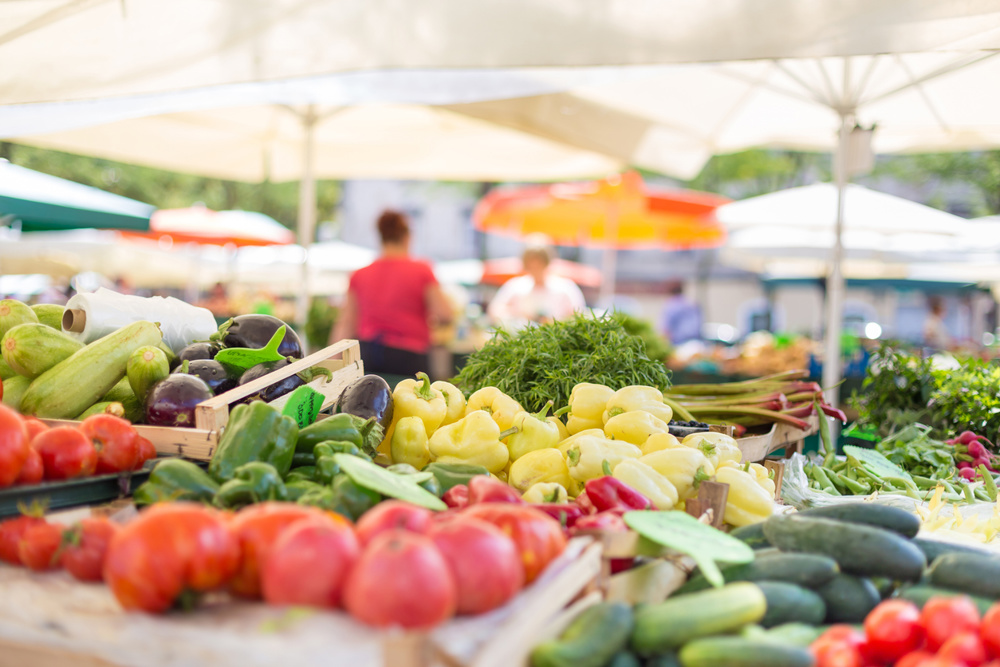
Farmers markets across DFW connect residents with local growers, ranchers, and artisans. Popular markets include:
- Dallas Farmers Market – Open year-round with indoor and outdoor vendors
- Clearfork Farmers Market (Fort Worth) – A producer-focused market held weekly
- Grand Prairie Farmers Market – Seasonal with local produce and goods
You’ll find:
- Fresh fruits and vegetables
- Pasture-raised meats and dairy
- Handmade goods and prepared foods
Markets often operate on weekends and may adjust hours seasonally.
Urban Homesteading Classes and Workshops in DFW
Hands-on learning opportunities are widely available throughout the metroplex. Programs include:
- Texas A&M AgriLife Extension workshops – Covering gardening, composting, and pest management
- Local garden groups and nonprofits offering seasonal classes and demonstrations
- Community gardens that host beginner-friendly training sessions
Some private organizations also offer courses in permaculture, sustainable gardening, and small-scale food production. These classes provide practical skills that can be applied immediately at home.
Soil Testing, Plant Clinics, and Training From Texas A&M AgriLife
The Texas A&M AgriLife Extension Service is one of the most valuable resources for DFW homesteaders. Soil testing services typically cost around $10–$15, providing:
- pH levels and nutrient analysis
- Fertilizer recommendations
- Soil improvement guidance
Local extension offices also offer:
- Plant clinics and troubleshooting support
- Master Gardener programs
- Educational materials tailored to North Texas conditions
Submitting a soil sample and consulting with local experts can significantly improve your garden’s success.