Homestead Inspiration Around Austin’s Countryside
You'll find Austin's countryside homesteading scene blends long-standing ranching traditions with modern sustainability, creating properties that balance Texas heritage with practical, efficient living. Hill Country homesteads often range from small hobby farms to multi-acre rural properties, with features like solar panels, rainwater collection, and native landscaping becoming increasingly common. Areas like Dripping Springs, Bee Cave, Bastrop County, and eastern Travis County offer a range of land options, from premium Hill Country parcels to more affordable wooded acreage. The sections below explore property styles, land markets, and the systems that support a functional Central Texas homestead.
Hill Country Homes That Capture the Homestead Spirit
View this post on Instagram
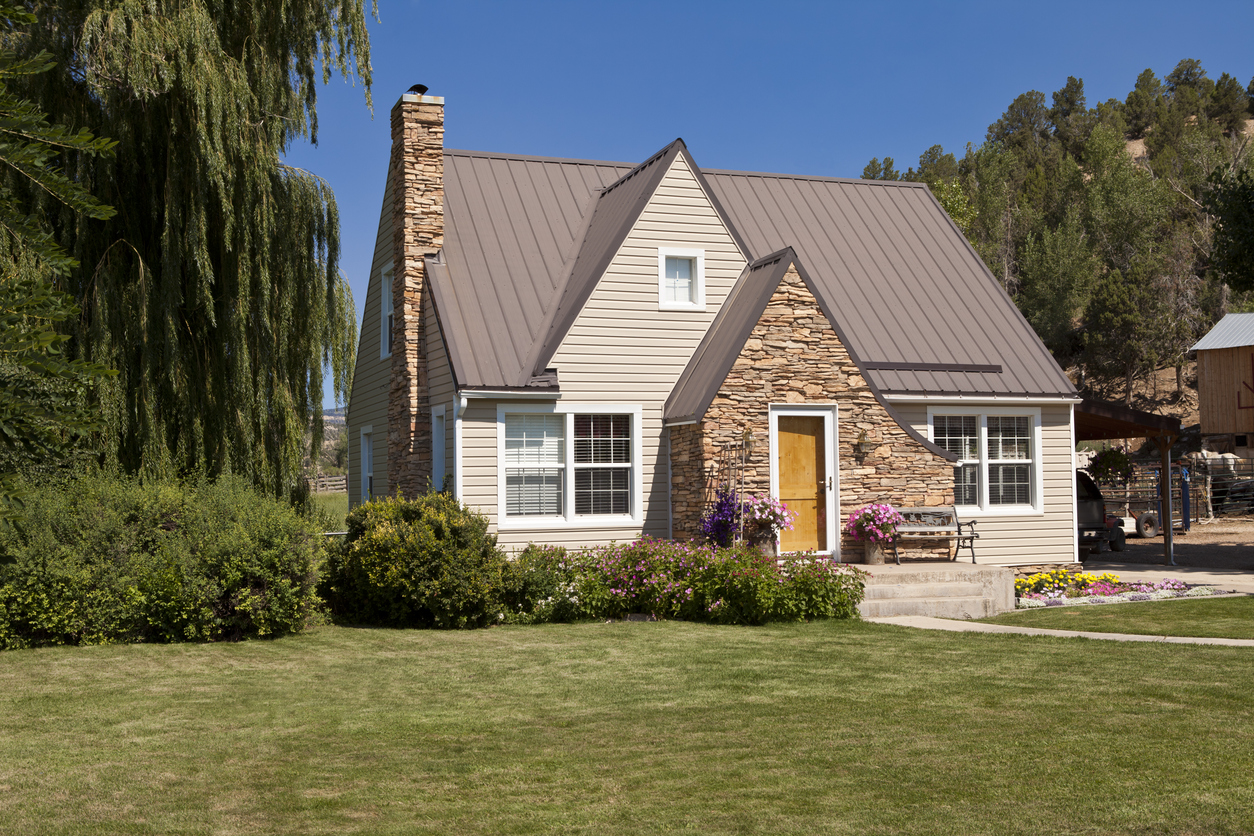
Modern homesteaders throughout Austin's Hill Country are reimagining rural living by blending traditional ranch aesthetics with practical sustainability systems. You'll discover properties that support gardening, small livestock, and outdoor living, often on parcels ranging from a few acres to larger tracts depending on location. Many homes incorporate solar energy systems, rainwater harvesting, and well water access, though output and coverage vary widely depending on design and budget rather than fixed percentages. Rainwater systems in Central Texas commonly range from 10,000 to 40,000 gallons of storage, helping supplement household and irrigation needs. Architecturally, these homes draw inspiration from Hill Country vernacular design, using limestone exteriors, metal roofs, and natural wood elements. In areas like Bee Cave and Dripping Springs, you’ll find properties that offer a balance of rural space and proximity to Austin, typically within a 25–40 minute drive depending on traffic.
Real-World Homesteads and Small Farms Around Austin
View this post on Instagram
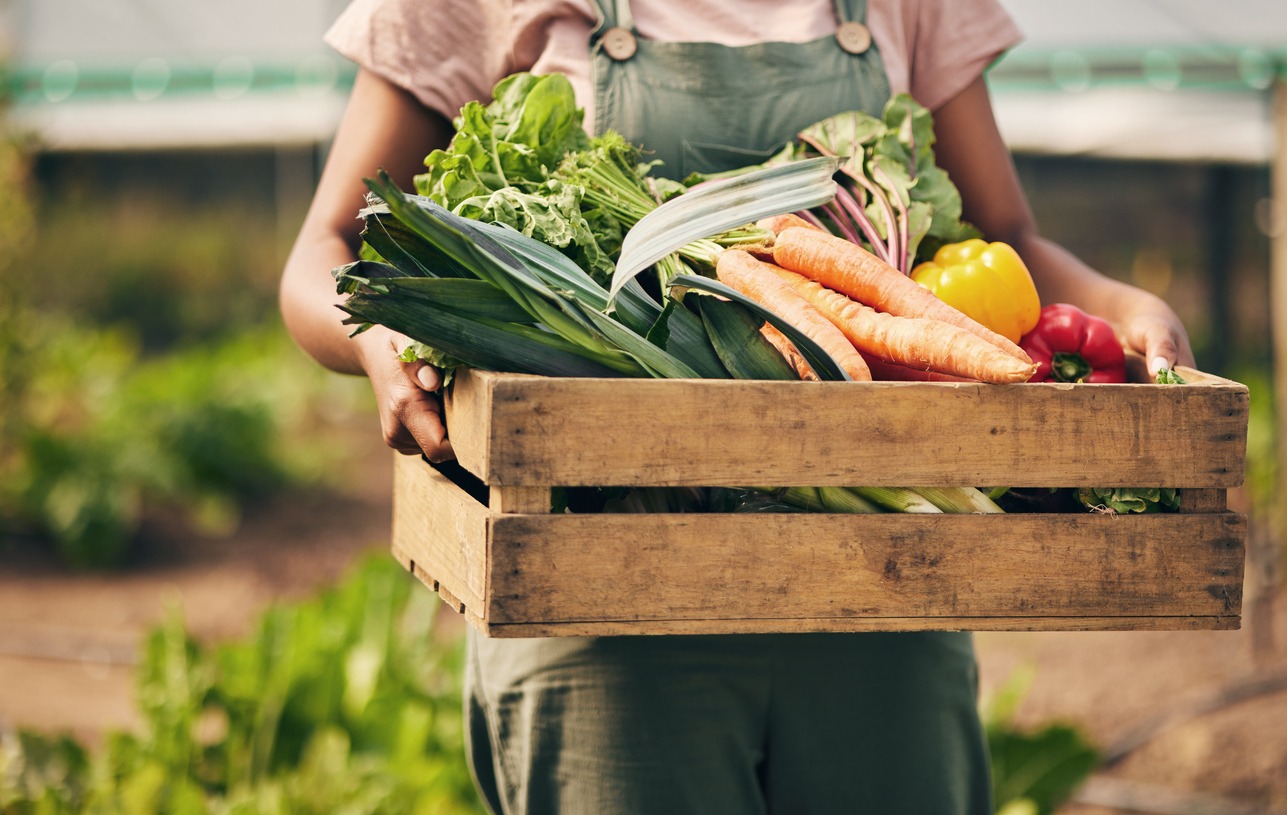
To better understand how homesteading works in practice, several working farms around Austin and Bastrop County offer real-world examples of sustainable systems in action. Green Gate Farms, with locations in East Austin and Bastrop County, has operated since 2006 as a certified organic farm producing vegetables and flowers while also hosting community events and educational programs. Nearby, Eden East Farm in Bastrop combines small-scale agriculture with events, farm stands, and educational experiences, producing seasonal vegetables, herbs, eggs, and preserved goods. Smaller operations like VRDNT Farm focus on bio-intensive growing methods and community-supported agriculture (CSA), supplying fresh produce directly to Central Texas residents. These farms demonstrate how homesteading in Central Texas often blends food production, community engagement, and diversified income streams, rather than relying on a single self-sufficiency model. Farmers markets and CSA networks also play an important role, connecting homesteaders with locally adapted plants, organic produce, and community knowledge.
Stone Ranches and Modern Barns: Austin Countryside Property Styles
Across the Austin countryside, stone ranch homes and modern barn-style builds define the region’s architectural identity. These designs reflect both historic settlement patterns and contemporary preferences for open, functional spaces. Limestone remains one of the most common building materials in the Hill Country, paired with standing-seam metal roofs, exposed beams, and large windows that capture natural light and views. Interiors often feature open floor plans suited for modern living while maintaining a connection to agricultural roots. Barn structures—whether traditional or modernized—serve as workshops, equipment storage, or flexible living spaces, supporting everything from hobby farming to creative studios. The landscape itself plays a major role in design, with homes often positioned to take advantage of elevation changes, oak groves, and natural drainage patterns.
Dripping Springs to Bastrop: Where to Find Your Homestead Land
Between Dripping Springs and Bastrop County, you'll find distinct homestead markets shaped by location, terrain, and access to Austin. Dripping Springs and western Travis County typically command higher per-acre prices, often exceeding $100,000 per acre in prime areas, driven by Hill Country views, water features, and proximity to the city. These properties tend to be smaller and more residential in nature. Bastrop County, by contrast, offers more affordable land options, with larger parcels available and pricing often significantly lower per acre depending on location and utilities. The region’s pine forests and sandy soils create a different environment compared to the rocky Hill Country. Buyers often choose Dripping Springs for scenic views and convenience, while Bastrop appeals to those seeking space, flexibility, and lower entry costs for homesteading projects.
Rainwater Tanks, Solar Arrays, and Wells That Pay Off in Texas
Rainwater harvesting and solar energy systems play a key role in many Central Texas homesteads, especially in areas where water access and utility infrastructure vary. Rainwater collection is widely used across the Hill Country, with one inch of rainfall on 1,000 square feet of roof area yielding approximately 600 gallons of water. System size depends on household demand, rainfall patterns, and available storage. Solar installations are also common, though production depends on system size, orientation, and energy usage rather than a fixed percentage of household needs. Many homeowners use solar to offset utility costs rather than fully replace grid power. Wells are another option in some areas, though availability and depth vary significantly based on local geology. In all cases, system design should reflect site-specific conditions rather than generalized assumptions.
Water Conservation and Drought Planning in Central Texas
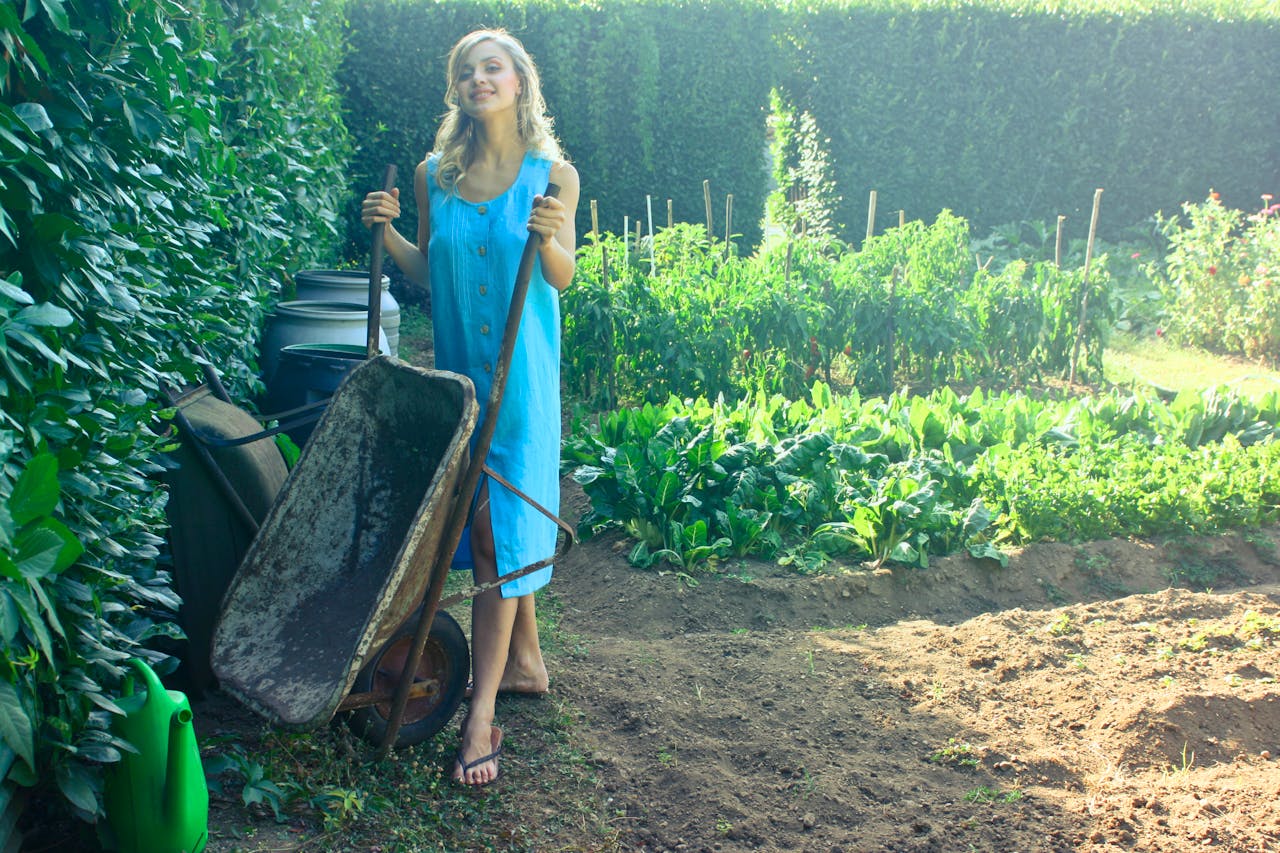
Water management is one of the most important considerations for any homestead in the Austin area, where periodic drought and high summer temperatures can strain natural resources. Successful homesteads typically combine multiple strategies, including rainwater harvesting, drip irrigation, mulching, and drought-tolerant planting. Native and adapted plants—such as rosemary, sage, and native grasses—require significantly less water than traditional crops. Many homesteaders also design their land with contour-based drainage, swales, and soil-building practices to retain moisture more effectively. These approaches reduce reliance on wells or municipal water systems and help maintain productivity during dry periods.
What a 5-Acre Homestead Build Actually Costs Near Austin
Building a homestead near Austin involves a combination of land acquisition, infrastructure, and construction costs, all of which vary widely by location and property features. Land prices differ significantly across the region, with Hill Country parcels often priced at a premium, while areas east of Austin provide more accessible options. Smaller tracts near the city may cost more per acre, while larger rural properties can offer better value overall. Development costs—including utilities, septic systems, driveways, and structures—can add substantial investment beyond land purchase, often ranging into the hundreds of thousands depending on the scope of the build. Rather than a fixed baseline, total project cost depends on factors such as terrain, access to utilities, building size, and level of self-sufficiency desired.
Architects and Builders Who Specialize in Hill Country Homesteads
Designing a homestead in Central Texas requires professionals familiar with limestone terrain, drought conditions, and regional building practices. Firms such as Jenkins Design Build, Ryan Street Architects, and other Hill Country-based builders specialize in blending modern design with traditional materials. Their work often incorporates native stone, shaded outdoor spaces, and layouts that respond to the land. An integrated design-build approach can help streamline projects by aligning architectural vision with construction realities, especially in areas where site conditions significantly influence building decisions.
Related posts