Houston’s Community Gardens and Homesteading Events
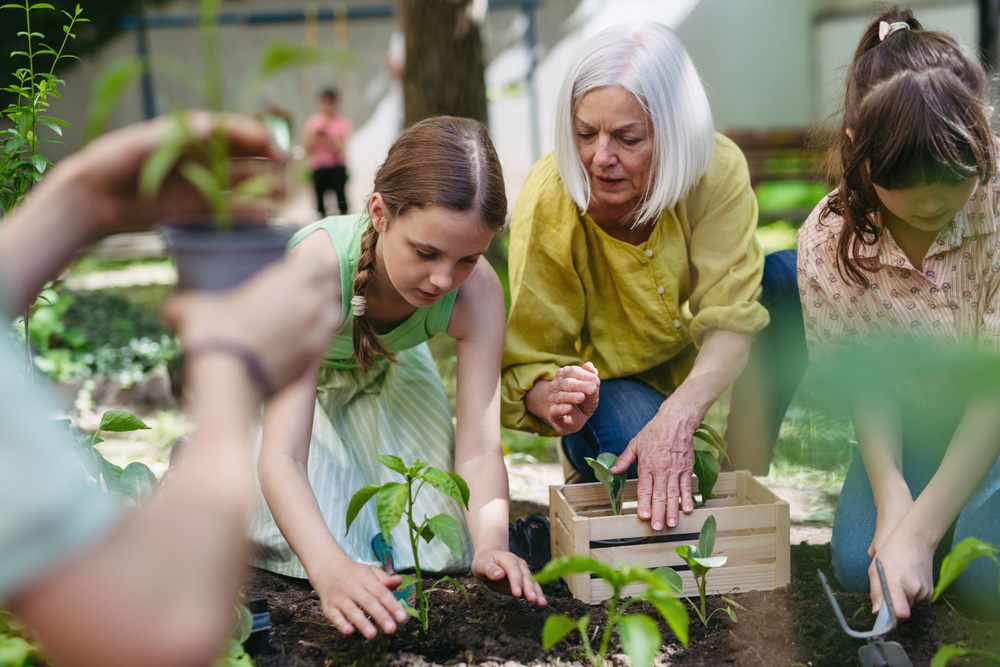
Houston’s community gardens offer year-round growing opportunities thanks to the region’s subtropical climate, with programs ranging from neighborhood plots to nonprofit-led urban farms. From long-standing gardens in the Third Ward to educational workshops and farmers markets, the city provides multiple ways to get involved in sustainable food production and homesteading practices.
Where to Find Houston’s Oldest Community Gardens
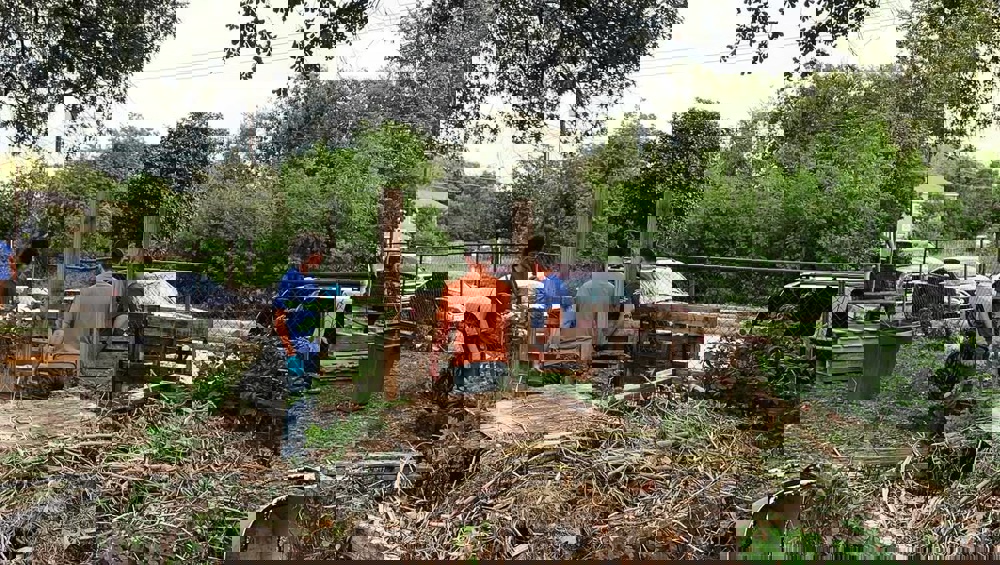
The Alabama Street Community Garden in Houston’s Third Ward, established in 1985, is widely recognized as one of the city’s longest-running community gardens. Located at 2818 Alabama Street, it has served as a hub for neighborhood food access and education for decades.
The site includes dozens of raised beds, shared tools, and gathering spaces, supporting both beginner and experienced gardeners. Membership fees vary by plot and availability, typically requiring a small monthly or annual contribution along with volunteer participation.
Surplus produce is often shared within the community or donated, reinforcing the garden’s original mission of food access and neighborhood support.
How to Join a Houston Community Garden
Joining a Houston community garden varies by organization, but most follow a similar process involving applications, volunteer hours, and basic orientation.
- Urban Harvest gardens: Open to volunteers with minimal requirements; sign-ups are typically online
- Houston Botanic Garden volunteers: Require registration and may include a background check fee (~$10–$15)
- Local neighborhood gardens: Often require monthly dues or shared maintenance responsibilities
Volunteer shifts usually last 2–3 hours, and many gardens welcome families and beginners.
Garden Plot Pricing and Availability Across Houston
Community garden plots in Houston vary in size, cost, and availability depending on location and demand.
- Neighborhood community gardens (e.g., Third Ward, Heights):
Typically range from $25 to $150 annually, often including water access and shared tools - Urban Harvest-affiliated gardens:
Many operate on a waitlist system, with priority given to nearby residents - Houston Botanic Garden community programs:
Focus more on volunteer-based participation rather than individual plot ownership - Private or nonprofit urban farms:
May offer membership-based growing spaces or educational access instead of individual plots
Because demand is high in central Houston, it’s common for popular gardens to have waiting lists, especially in walkable neighborhoods.
What to Grow in Houston: Crops That Thrive Year-Round
Houston’s climate allows for continuous gardening with seasonal crop rotation.
- Winter: Kale, spinach, broccoli, carrots
- Spring: Tomatoes, peppers, cucumbers, herbs
- Summer: Okra, sweet potatoes, Malabar spinach
- Fall: Squash, beans, leafy greens
Herbs like rosemary, thyme, and oregano can grow year-round, while proper soil preparation and irrigation are essential for success.
Plant It Forward: Urban Farming and Community Impact
Plant It Forward is a Houston-based nonprofit that supports refugee and immigrant farmers by providing access to land, training, and markets. Since its founding in 2011, the organization has developed multiple small urban farm sites across the Houston area.
Participants receive training in sustainable agriculture, business development, and local food systems, helping them build long-term livelihoods while supplying fresh produce to local markets.
Urban Harvest Workshops and Homesteading Classes
Urban Harvest offers some of Houston’s most respected gardening and homesteading programs, including:
- Organic vegetable gardening courses
- Fruit tree care and pruning workshops
- Composting and soil health classes
- Permaculture and food forest design
Their flagship organic gardening course typically runs over several weeks and includes both classroom and hands-on instruction tailored to Houston’s climate.
Gardening Programs for Families, Beginners, and Advanced Growers
Houston’s gardening programs are designed to support a wide range of experience levels.
Family-Friendly and Beginner Programs:
- Hands-on workshops focused on basic planting, watering, and harvesting
- School garden programs and youth education initiatives
- Community garden volunteer days welcoming all ages
Intermediate to Advanced Programs:
- Organic certification-style courses through Urban Harvest
- Permaculture design and food forest planning
- Specialized classes on beekeeping, composting systems, and irrigation techniques
These tiered programs make it easy to progress from first-time gardening to more advanced homesteading practices.
Homesteading Events, Seed Swaps, and Seasonal Planting in Houston
Houston’s gardening community stays active year-round through seed swaps, plant sales, and homesteading events that help both beginners and experienced growers expand their skills.
- Urban Harvest Plant Sales (spring and fall): Feature seasonal vegetable starts, fruit trees, and herbs suited for Houston’s climate
- Seed swaps and gardening meetups: Often hosted by local groups and community gardens, allowing gardeners to exchange heirloom seeds and regional varieties
- Houston Botanic Garden workshops: Include seasonal planting guides, composting sessions, and horticulture classes
Houston’s growing calendar is shaped by its long warm season:
- February–March: Start tomatoes, peppers, and herbs indoors or transplant early crops
- April–June: Peak planting season for warm-weather vegetables
- July–August: Focus on heat-tolerant crops like okra and sweet potatoes
- September–November: Ideal for fall gardens with leafy greens and root crops
Understanding this seasonal rhythm helps gardeners maintain continuous harvests throughout the year.
What You’ll Find at Houston Garden Sites
Most community gardens in Houston are built around raised bed systems, which help manage drainage and improve soil quality.
Common features include:
- Raised beds ranging from small plots to larger shared spaces
- Access to water systems and shared tools
- Composting areas and mulch supplies
- Community seating or gathering areas
These setups make gardening more accessible while supporting sustainable growing practices.
Organic and Sustainable Practices in Houston Gardens
Houston gardens emphasize organic and environmentally responsible methods, including:
- Composting and soil enrichment
- Natural pest control techniques
- Heirloom seed use for biodiversity
- Raised beds to address heavy clay soil
These practices help improve long-term soil health while reducing reliance on synthetic chemicals.
Community Gardens and Food Access in Houston
Community gardens play an important role in improving food access across Houston, especially in areas with limited grocery options.
They provide:
- Fresh produce for local residents
- Educational opportunities for families and schools
- Community-building spaces that promote mental wellness and social connection
Gardening activities are also linked to stress reduction and increased physical activity, making them beneficial beyond food production.
Urban Harvest Markets and Garden Events
The Urban Harvest Farmers Market, held weekly at 11500 Main Street (St. John’s School), is one of Houston’s largest and most established markets.
You’ll find:
- Local produce, baked goods, and artisan products
- Vendors sourcing from within roughly 200 miles of Houston
- Programs like Double Up Houston, which matches SNAP benefits
In addition to weekly markets, Houston hosts seasonal gardening events, plant sales, and educational workshops throughout the year.
Environmental Benefits of Community Gardening
Community gardens contribute to environmental sustainability by:
- Reducing food transportation distances (food miles)
- Supporting local biodiversity and pollinators
- Improving soil through composting and organic practices
- Helping cool urban areas through increased green space
These small-scale efforts collectively support a more resilient urban food system.