
Choosing and Maintaining the Right Water Heater for Your Home
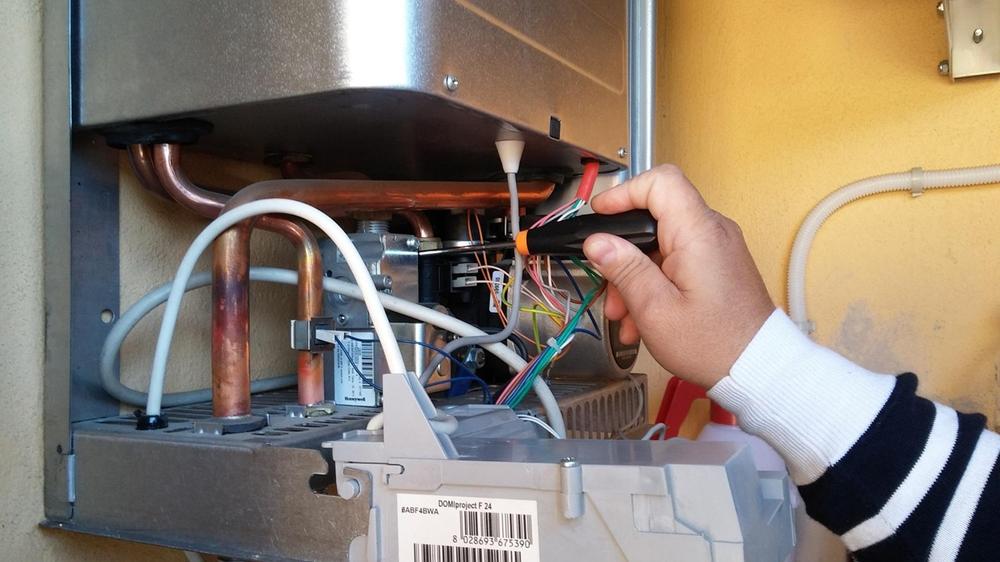
A reliable water heater is essential for keeping a home comfortable and functional. Hot water is needed for showers, washing dishes, cleaning, laundry, and many other everyday activities. When a water heater is operating properly, homeowners may rarely think about it. However, when hot water becomes inconsistent or the system develops a problem, it can quickly disrupt the entire household.
Understanding the basic needs of your water heater can help you maintain the equipment, recognize potential problems, and make better decisions when repairs or replacement become necessary.
Choosing the Right Water Heater
Selecting a water heater involves more than simply replacing an old unit with a similar model. The size of the household, daily hot water consumption, available energy sources, installation location, and budget can all influence which system is most appropriate.
Traditional tank-style water heaters remain common in residential properties. These systems heat and store a specific amount of water so that it is ready when someone turns on a hot-water fixture.
Tankless water heaters operate differently. Instead of maintaining a tank of heated water, they heat water as it passes through the system. When properly sized, a tankless unit can provide a continuous supply of hot water while eliminating some of the standby energy losses associated with storage tanks.
Both options can work well. The best choice depends on the home's existing setup and the family's hot water requirements.
Signs Your Water Heater May Need Repair
Water heater problems often develop gradually. Paying attention to changes in performance can allow homeowners to address an issue before the system completely stops working.
Running out of hot water faster than normal is one common warning sign. A traditional water heater that once provided plenty of hot water but suddenly struggles may have a problem with a heating element, thermostat, burner, or another component.
Temperature fluctuations are another reason to investigate the system. Water that alternates between hot and cold can indicate that the equipment isn't operating as intended.
Leaks, corrosion, and unusual noises should also receive prompt attention. Homeowners who notice these problems can contact a provider of professional water heater services in Fishers to have the equipment inspected and determine the appropriate solution.
Pay Attention to Unusual Water Heater Noises
Some operating noise is normal, but loud popping, banging, or rumbling can sometimes indicate sediment buildup inside a tank-style water heater.
Minerals contained in the water supply can settle at the bottom of the tank over time. As sediment accumulates, the water heater may have to work harder to transfer heat effectively. Water trapped beneath the buildup can also produce noticeable sounds during the heating process.
Regular maintenance can help reduce excessive sediment accumulation and provide an opportunity to identify other potential concerns.
Don't Ignore Water Around the Unit
A leaking water heater should never be ignored. Even a relatively small amount of water can eventually damage flooring, walls, or nearby belongings.
The source of the water is important. Sometimes the problem involves a valve, plumbing connection, or another replaceable component. In other situations, the tank itself may have deteriorated.
If the tank is leaking because of corrosion or structural failure, replacing the water heater is generally necessary. Addressing the problem quickly can reduce the possibility of additional water damage.
When Is It Time for a New Water Heater?
Age alone doesn't necessarily mean a water heater must immediately be replaced, but older equipment should be watched more carefully for changes in performance.
Frequent repairs can be an indication that replacement deserves consideration. Homeowners should compare the cost of continuing to repair an aging unit with the cost and potential benefits of installing newer equipment.
Energy efficiency can also factor into the decision. Newer water heaters may offer efficiency improvements that reduce the amount of energy required to provide a home's hot water.
A replacement is also an opportunity to reconsider the household's needs. Changes such as additional family members, remodeled bathrooms, or new appliances can affect hot water demand.
Maintaining Your Water Heater
Routine maintenance can help keep a water heater operating properly. For tank-style units, maintenance may include flushing accumulated sediment according to the manufacturer's recommendations.
The anode rod is another important component in many traditional water heaters. Its purpose is to help protect the tank against corrosion. Periodic inspection can determine whether the rod has deteriorated enough to require replacement.
Homeowners can also visually inspect the area around the water heater for moisture, corrosion, or damaged connections. Changes in water temperature or unusual sounds should be investigated rather than allowed to continue indefinitely.
Protect Your Home's Hot Water Supply
Your water heater is an important part of your home's plumbing system. Giving it proper attention can help reduce unexpected interruptions and keep hot water available when your family needs it.
Whether you have a traditional tank water heater or a tankless system, proper installation, maintenance, and timely repairs are essential. By recognizing warning signs early and making informed decisions about your equipment, you can help maintain reliable hot water and protect your investment for years to come.